


How to Distinguish Between Antistatic Materials and Insulating Materials
Electrostatic shielding materials: These materials have a surface resistivity of less than 1×10⁴ Ω/m² or a volume resistivity not exceeding 1×10³ Ω·cm. Faraday shields (protective enclosures) made from such materials can protect electrostatically sensitive devices from the effects of static electricity.

Electrostatic shielding materials are a subset of electrostatically conductive materials.
Electrostatically conductive materials: These materials have a surface resistivity not exceeding 1×10⁵ Ω/m² or a volume resistivity not exceeding 1×10⁴ Ω·cm. Due to their low resistance, electrons can move very easily across their surfaces and through their interiors, allowing them to flow toward any other conductor they come into contact with, or to the ground.
Electrostatically dissipative materials: These materials have a surface resistivity greater than 1×10⁵ Ω/m² but less than or equal to 1×10¹² Ω/m², or a volume resistivity greater than 1×10⁴ Ω·cm but less than 1×10¹¹ Ω·cm.
Insulating materials: These materials have a surface resistivity greater than 1×10¹² Ω/m² or a volume resistivity greater than 1×10¹¹ Ω·cm. Virtually no current flows across the surface or through the interior of an insulating material; its resistance is extremely high, making it difficult to ground. Static charges on such materials can persist for a very long time.
"Antistatic" generally refers to a material's ability to suppress triboelectric charging (static generated by friction). A material's antistatic property is not necessarily linked to its resistance or resistivity.
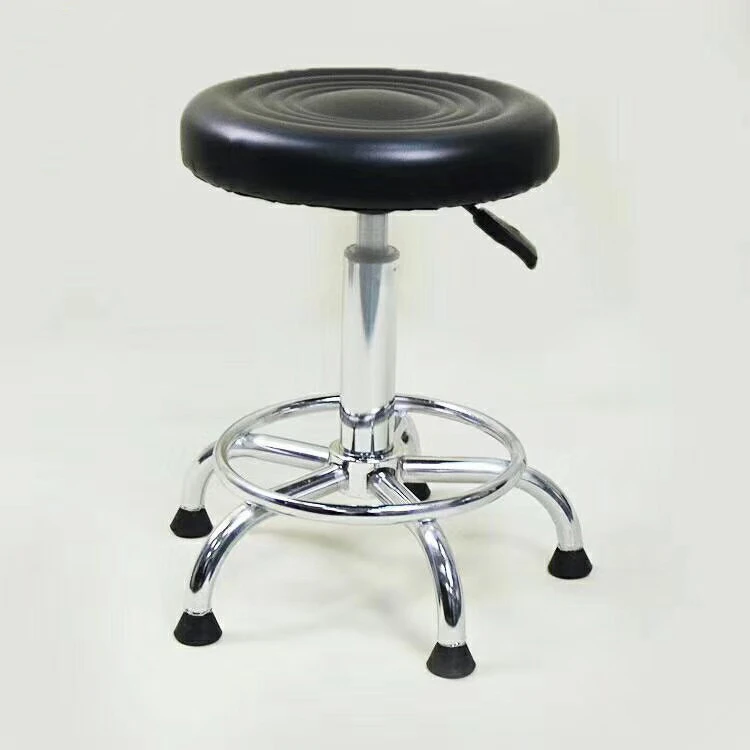

Surface resistivity: 10⁶–10⁹ Ω | Resistance to ground: <10⁶ Ω