


What are the management rules for clean clothes in clean rooms?


To say that the biggest source of pollution in clean rooms is the human body. According to statistics, the proportion of dust generation in the air in the clean room is 5%-10%, the proportion of dust generation by decoration is 20%-30%, the proportion of dust generation by gas and liquid is 5%-10%, and the proportion of dust generation by machines is 20%-30%. The proportion of dust generated by personnel accounts for 30%-40%, which shows that people are the largest source of pollution in clean rooms.
Humans will release and secrete pollutants in the process of metabolism; human surfaces and clothes will be contaminated or carry pollutants; human activities in clean rooms will produce particles and microorganisms. Therefore, the "Good Manufacturing Practice for Drugs" clearly stipulates that personnel entering the clean room shall not make up or wear accessories, and shall not directly touch the drugs with their bare hands.
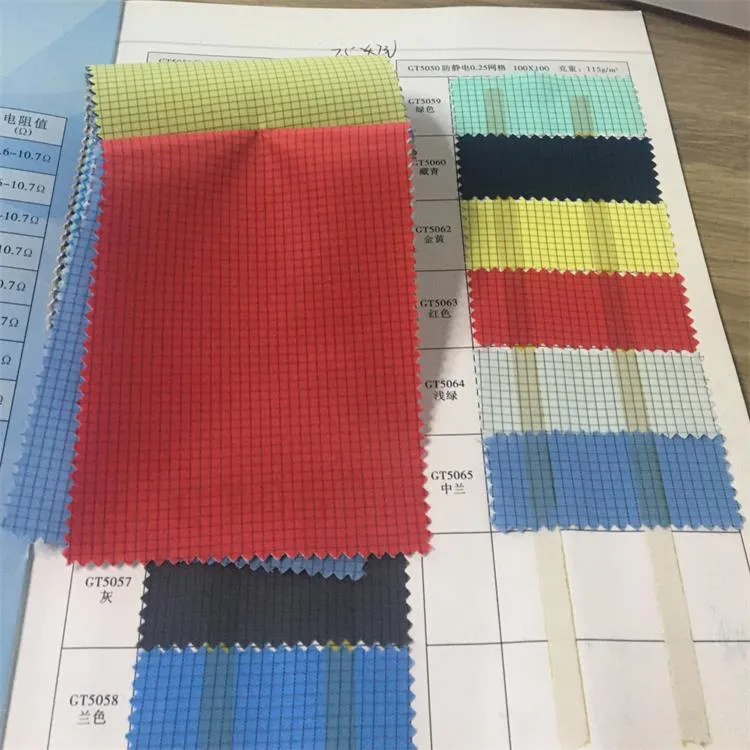
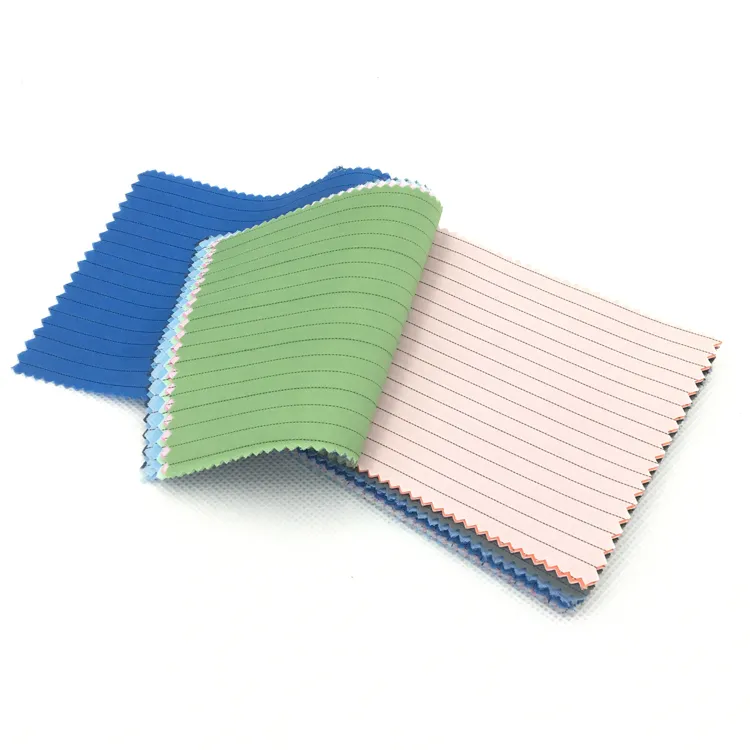
Staff entering the clean room need to wear anti-static work clothes. Anti-static work clothes must cover all hair, beards and feet to prevent body shedding. The specific management rules are as follows:
1. Change clothes and wash hands in accordance with operating procedures to minimize pollution to the clean area or bring contaminants into the clean area.
2. The selection of materials, styles and ways of wearing work clothes should be compatible with the requirements of production operations and air cleanliness levels, and must not be mixed.
3. The work clean clothes should be smooth in texture, without static electricity, and without shedding fibers and particulate matter. Sterile work clothes must cover all hair, beard and feet, and can retain body shedding.
4. The work clothes used in different air cleanliness levels should be cleaned, sorted, and disinfected or sterilized if necessary. Additional particulate matter should not be brought into the washing and sterilization of work clothes, and a cleaning cycle should be formulated.
5. The cleaning and processing methods of anti-static work clothes used in the clean area should be able to ensure that they do not carry contaminants and do not contaminate the clean area. Work clothes should be cleaned and sterilized in accordance with relevant operating procedures, and the laundry room is best set up separately