


Applications of Non-Woven Conductive Shoe Covers
Non-woven conductive shoe covers (or non-woven anti-static shoe covers equipped with conductive strips/fibers) combine the lightweight, breathable, and dust-proof properties of non-woven fabric with conductive or anti-static functionality. Their primary applications include:
1. Industrial and High-Tech Manufacturing (Anti-Static and Cleanroom Control)
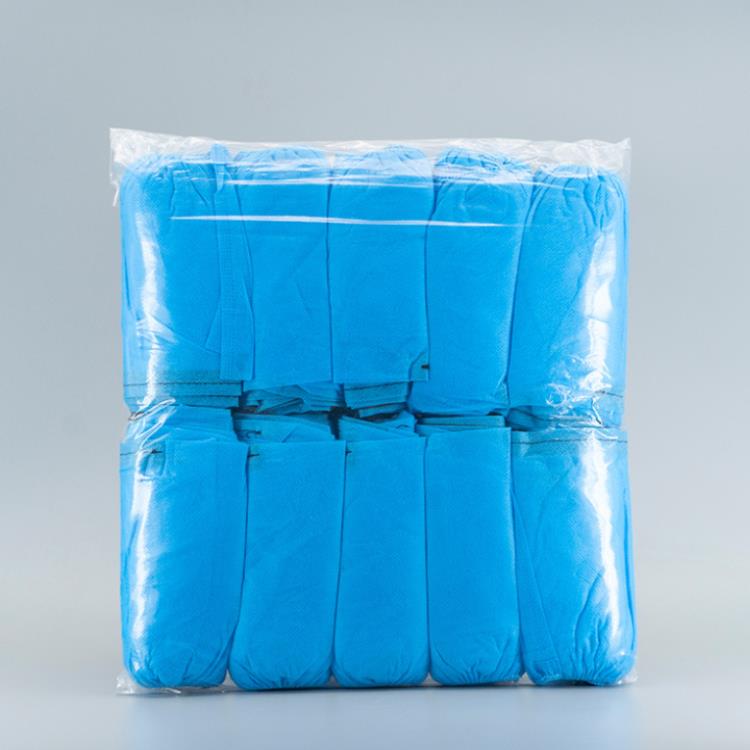
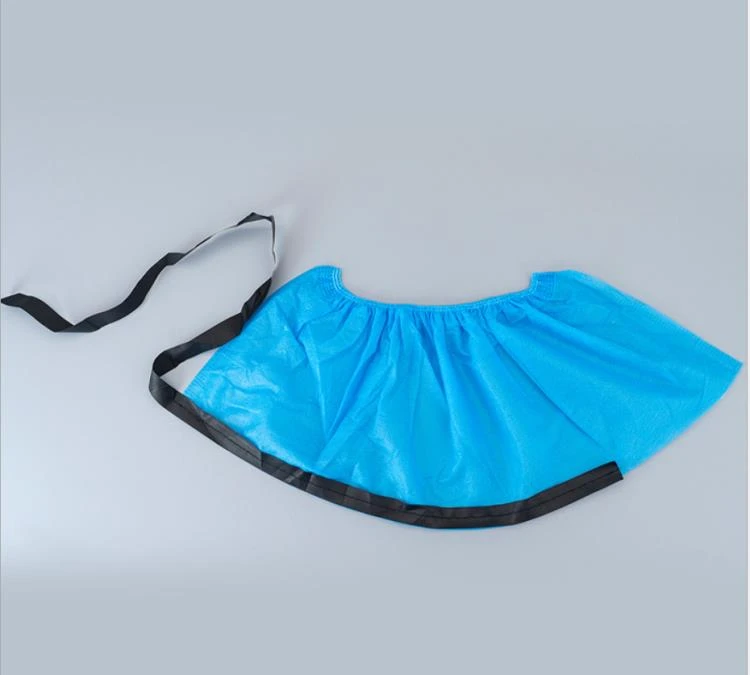
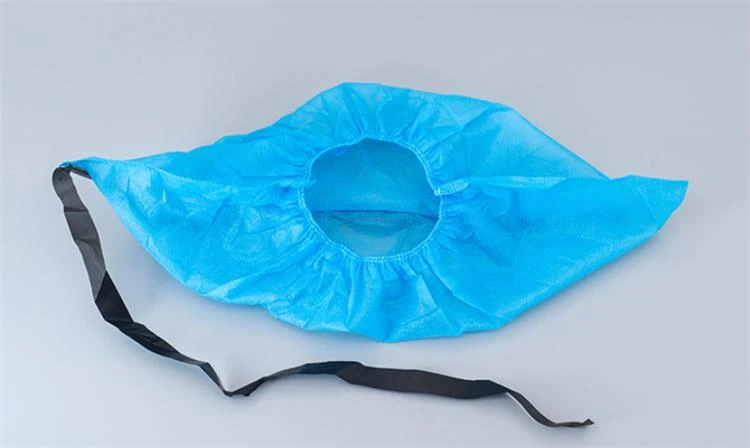
• Precision Electronics and Semiconductor Industry: Used in production areas highly sensitive to electrostatic discharge (ESD), such as chip manufacturing, LCD/OLED panel production, magnetic head fabrication, and the assembly of optical instruments. The conductive structure-often featuring a conductive strip that extends into the user's sock to make contact with the skin-allows static electricity generated by the human body to be rapidly discharged into the ground, preventing ESD-related damage to precision components.
• Cleanrooms: Employed in environments with strict cleanliness standards-such as those in the pharmaceutical, bioengineering, and aerospace sectors-to contain dust and contaminants carried on the soles of footwear, while simultaneously meeting the facility's anti-static requirements.
• Temporary Access for Visitors and Maintenance Personnel: Used in anti-static zones (e.g., electronics or pharmaceutical plants) by visitors, inspectors, or temporary contractors. These covers can be worn over regular footwear to provide immediate anti-static protection and dust containment, eliminating the need to switch into specialized anti-static shoes.
2. Medical and Laboratory Environments
• Specialized Laboratories and Research Institutions: Used in settings such as chemical laboratories, precision physics measurement labs, and sterile testing facilities to prevent static electricity from attracting dust or posing safety risks, such as the ignition of flammable or explosive gases.
• Medical Device Manufacturing: Utilized in production areas where the assembly of surgical instruments or precision medical equipment requires both dust control and anti-static protection.
3. Residential and Specialized Civilian Use
• Cleaning or Visiting in Homes and High-End Facilities: Used in home-based workshops or studios-where maintaining an exceptionally clean floor is essential, or where delicate manual work or instrument calibration is performed-to prevent dust and static interference originating from the soles of one's shoes.