


Why Use Anti-Static, High-Temperature Resistant Tape?
Anti-static, high-temperature resistant tape is primarily used in high-temperature operational environments to simultaneously address two issues: damage to precision components caused by electrostatic discharge (ESD), and the tendency of standard tapes to soften, detach, or leave behind adhesive residue when exposed to heat.
Key Reasons
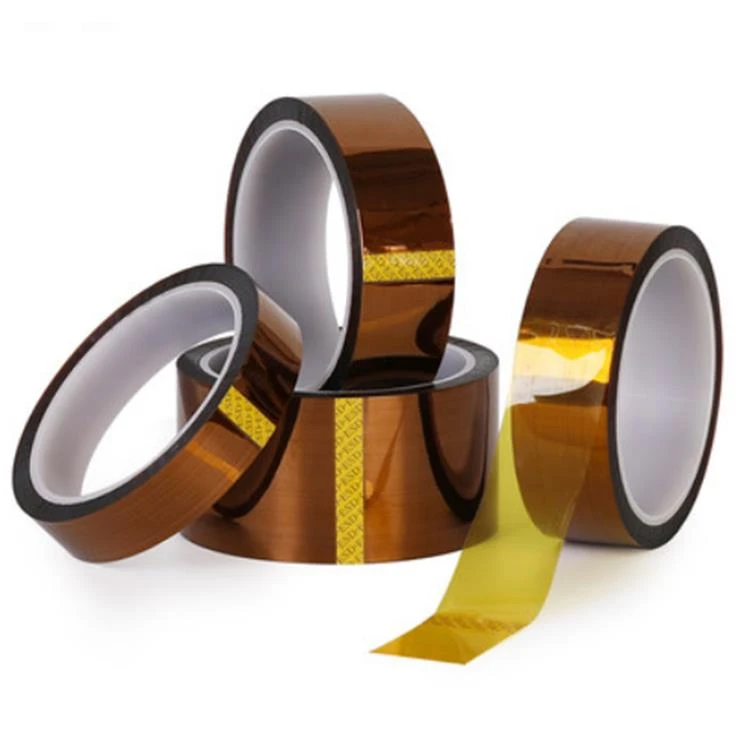
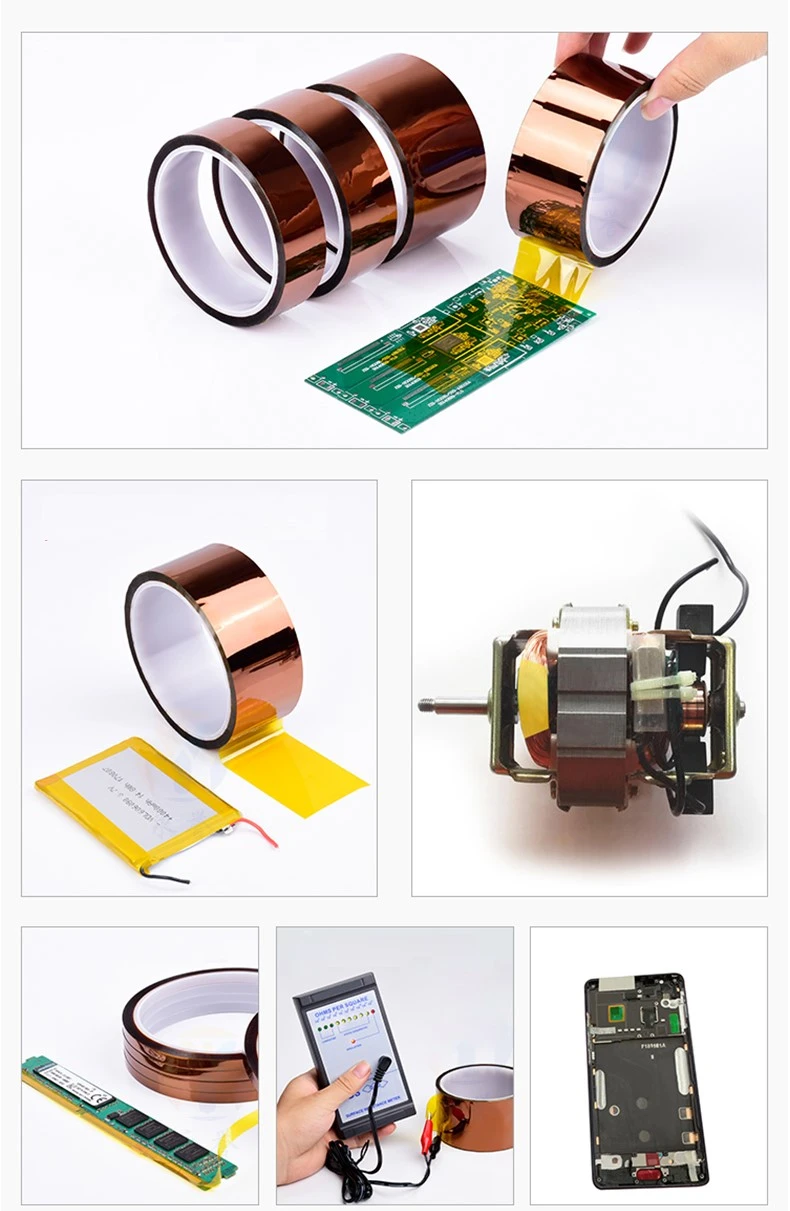
• Preventing Electrostatic Breakdown of Sensitive Components: Standard tapes can easily generate static electricity when peeled or unrolled, which may cause electrostatic breakdown in sensitive components like chips or circuit boards. An anti-static design minimizes static accumulation, thereby protecting electronic products.
• Maintaining Integrity at High Temperatures: Standard tapes often melt, deform, or lose their adhesiveness under high heat. Anti-static, high-temperature resistant tapes remain stable at elevated temperatures, making them suitable for thermal processes such as soldering and baking.
• Minimal or No Adhesive Residue: Typically formulated with heat-resistant adhesives (such as silicone-based systems), these tapes can be removed after high-temperature processes without leaving sticky residue, preventing contamination of contact points.
• Providing Physical and Chemical Protection: These tapes often offer electrical insulation, tear resistance, and durability against abrasion, as well as resistance to certain chemical solvents or protection during spray-coating processes-making them ideal for complex working conditions.
Common Applications
• PCB and SMT Processes: Used to protect "gold fingers" or specific areas during wave soldering and reflow soldering, preventing contamination from molten solder, flux, or electroplating solutions.
• Electronic Component and Module Manufacturing: Used for the temporary securing of micro-components, masking during the potting of power modules, and insulating or bundling transformers and coils.
• High-Temperature Coating and Industrial Environments: Used for masking during spray-painting or baking processes, as well as for anti-static securing and sealing at high-temperature workstations.