


Why Use Anti-Static Devices?
Anti-static devices are used to discharge static electricity from the human body as effectively as possible.

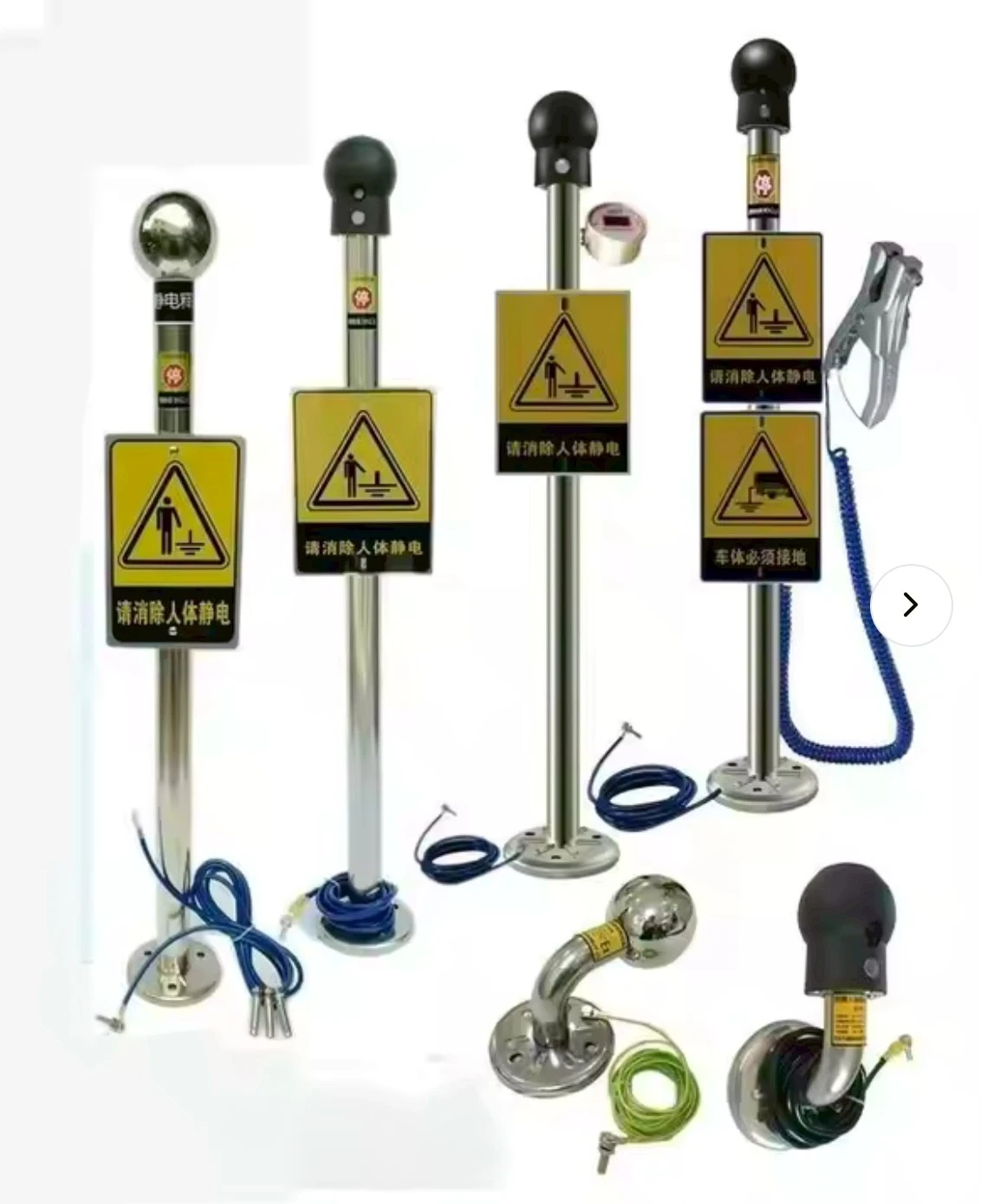
1. Human-body-related static: This refers to the frictional charges generated between the body and clothing during human movement. If a person handles an ESD-sensitive device without first discharging this static to the ground, the accumulated charge can transfer to the device, causing damage.
2. Microelectronic device-related static: This concerns ESD-sensitive components-particularly those with plastic parts-which can accumulate frictional charges during automated production processes. These charges may discharge rapidly through low-resistance paths into a highly conductive, well-grounded surface, resulting in damage. Alternatively, induction can cause the metal components of an ESD-sensitive device to become charged, which can also lead to damage.
3. Field-induced static: This occurs when a device is surrounded by a strong electric field-potentially originating from plastic materials or human clothing-which can trigger electron transfer across an oxide layer. If the potential difference exceeds the dielectric strength of the oxide layer, an electric arc may form, destroying the layer and resulting in a short circuit.