


Anti-Static System Engineering for Industrial Workshops
Many Chinese enterprises lack a fundamental understanding of static electricity. Often, their efforts are merely to satisfy inspections by superiors or audits by major clients; they simply purchase some anti-static equipment and personal protective gear for employees-often without even verifying the authenticity of these products-and then fail to invest further effort in static protection. It is usually only after suffering losses due to static-related issues that they attempt to remedy the situation-by which time it is often too late.
I wish to emphasize to enterprises that anti-static protection is a comprehensive system, not a problem that can be solved overnight. Companies must identify and quantify the specific areas requiring static protection (Electrostatic Protected Areas, or EPAs) and make targeted investments in anti-static measures. This ensures the electrostatic safety of all personnel, handling containers, and equipment entering the EPA, while guaranteeing the proper and effective functioning of anti-static equipment.


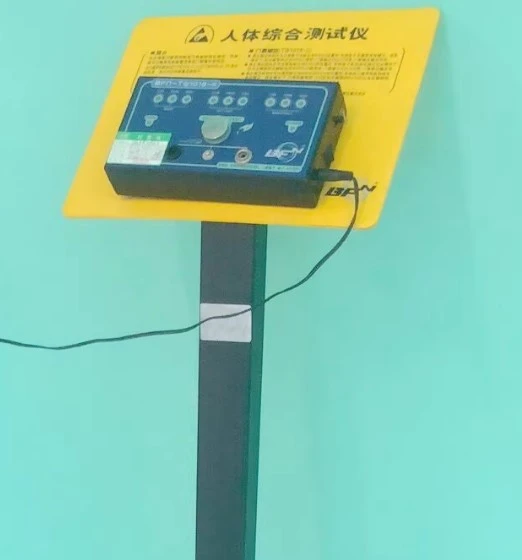
Regular testing is a crucial component of anti-static management and should be integrated into every stage of production. This includes checking personnel for compliance-such as verifying the performance of wrist/ankle straps, anti-static garments, footwear, and headgear. Furthermore, dedicated personnel must be assigned to test and maintain the EPA, regularly inspecting anti-static equipment, handling containers, and grounding systems to ensure they meet required standards. Attention must also be paid to maintaining cleanliness within the EPA, ensuring the area remains free of dust and other contaminants.
In summary, static protection is a long-term, systematic undertaking. The philosophy of comprehensive protection must be embraced by everyone, from management down to the rank-and-file employees; consistency is key-sporadic or half-hearted efforts will not suffice. Only through sustained commitment can enterprises ensure the safety of every product manufactured.