


Do you know about the main fabrics used for anti-static clothing?
Anti-static clothing refers to workwear sewn from anti-static fabric designed to prevent the accumulation of static electricity on the garment. It features high-efficiency anti-static and dust-proof properties, a smooth, thin texture, and a distinct weave pattern. Fabrics currently on the market include anti-static "ultra-clean" fabrics and standard anti-static fabrics. While the former are often referred to as "conductive silk," only conductive silk suitable for cleanroom environments truly qualifies as ESD anti-static fabric.
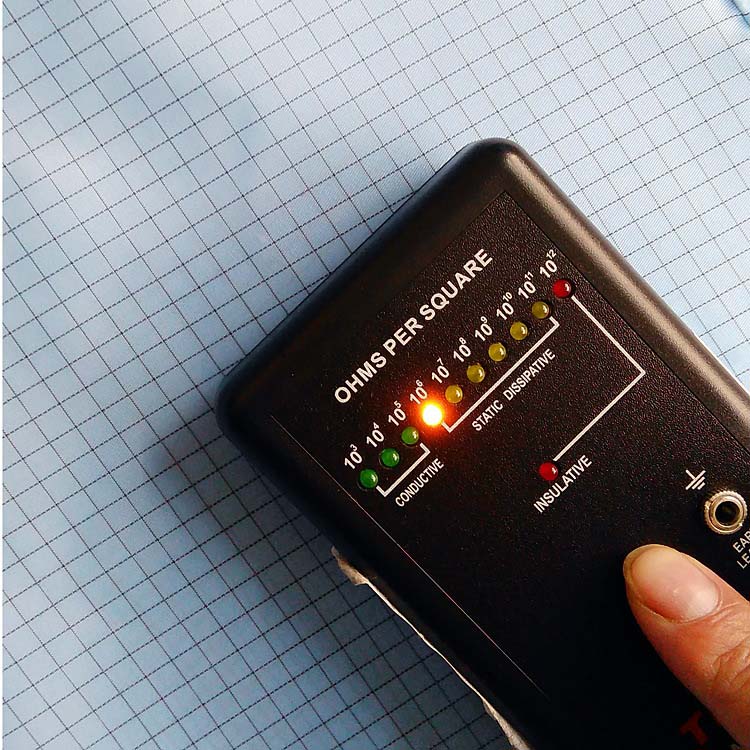
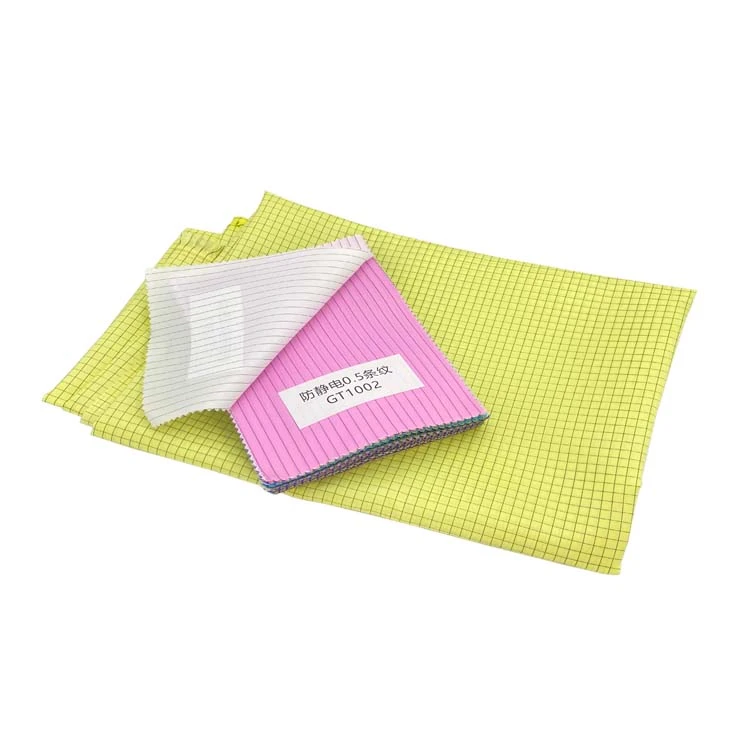
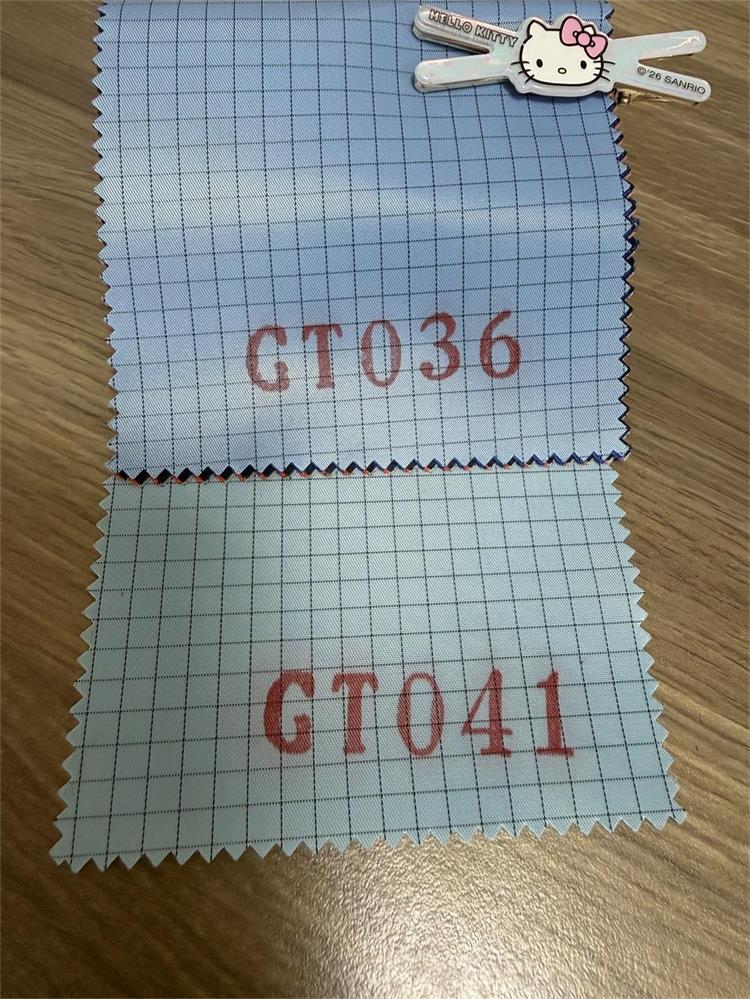
What is the difference between anti-static ultra-clean fabric and standard anti-static fabric? The key distinction lies in the term "ultra-clean." As China has not yet established specific testing standards to differentiate between these two types of fabrics, end-users must rely on their own experience and the specific requirements of their work environments when making a selection. When choosing anti-static ultra-clean fabric, it is essential to understand some basics: during the selection process, you can use a surface resistivity tester to measure and compare the resistance values of the conductive filaments in both the warp and weft directions. If the resistance is identical in both directions, the fabric may have been treated with an anti-static agent-meaning its performance will not be durable, and the measured resistance values cannot serve as a reliable reference. If the resistance values differ, the selection principle is to choose the fabric with the lower resistance. Additionally, anti-static ultra-clean fabric must possess the following three functional characteristics:
1. Anti-static capability
The anti-static performance must be durable and highly efficient, without significant degradation caused by daily washing or friction.
2. The fabric itself does not generate dust
Since the clothing is worn in dust-free cleanrooms, the fabric must not act as a source of dust generation. This necessitates the use of long-staple synthetic chemical fibers in production, alongside strict control over the dust-generation characteristics of the selected filaments. Although natural raw materials such as cotton, linen, and silk
can enhance the wearability of fabrics, these staple fiber materials are unsuitable for use in ultra-clean fabrics.
3. The fabric must possess good dust-filtering properties.
Dust in a cleanroom primarily originates from circulating air and the movement of personnel; achieving higher cleanliness levels
requires containing the minute dust particles generated by the human body within the garment, preventing them from passing through the fabric and entering the air.