


Basic Principles of Static Electricity Protection
The core principles of static electricity protection are essentially three points: controlling static electricity generation, timely discharge of static electricity, and protection of sensitive components. Below is a quick summary of how to do this:
I. Controlling Static Electricity Generation

Environmental Control: Maintain humidity between 40% and 60% to reduce friction and separation processes.
Material Selection: Replace ordinary materials with antistatic materials (such as antistatic flooring and workbenches).
II. Static Electricity Discharge
Grounding: All equipment and personnel must be grounded to ensure safe discharge of static electricity.
Ion Neutralization: Neutralize static electricity on objects that cannot be grounded using an ionizer.
III. Protecting Sensitive Components
Shielding: Wrap sensitive components with metal or conductive materials to block the electrostatic field.
Isolation: Place static-sensitive components in antistatic bags or containers.
IV. Operating Procedures
Personnel Protection: Wear antistatic clothing, gloves, and wrist straps.
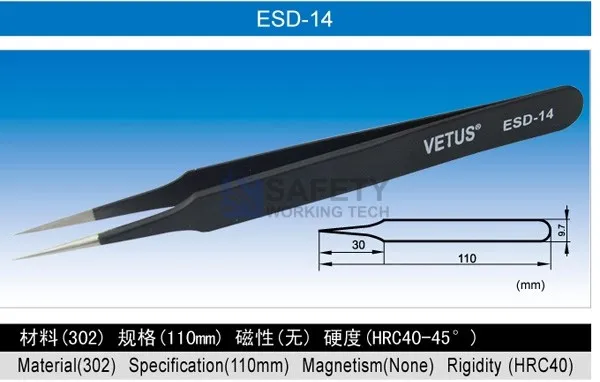
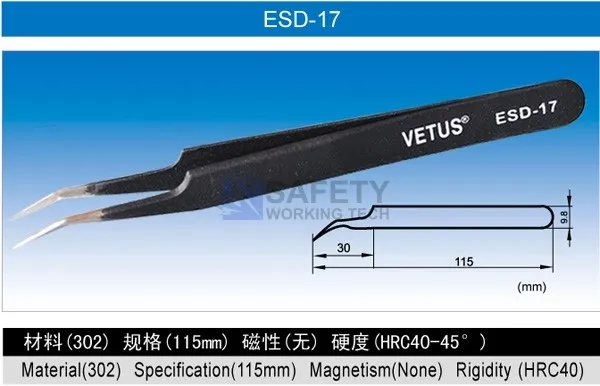
Tool Use: Use antistatic tools (such as antistatic tweezers).
V. Monitoring and Maintenance
Regular Testing: Check the environmental static electricity level with a static electricity tester. Equipment Maintenance: Regularly inspect the grounding system and anti-static equipment.
These principles can help you effectively prevent electrostatic discharge (ESD) damage to electronic components. If you need more detailed operating instructions, please let me know your specific scenario!
Need an ESD protection checklist? It can help you quickly check key steps and avoid missing important details.