


Grounding method of ion fan
Ion blower is a common static elimination equipment in electrostatic field, which needs regular cleaning and maintenance, but most users ignore this point and reduce the service life of ion blower. In addition, in the process of using ion fans, some problems will also arise. For example, as a manufacturer of electrostatic monitoring systems, ion fans are also one of our products. Today we start from the correct method of ion fan grounding wire:
Ion blower grounding method-static management system-our company is a professional supplier of electrostatic protection equipment
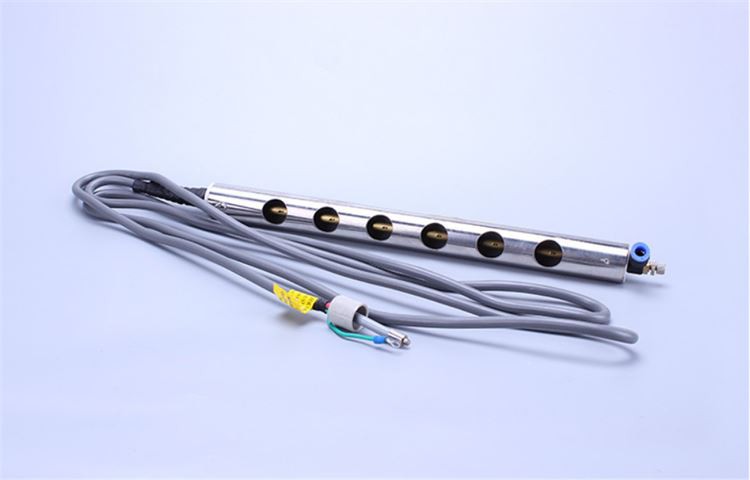


The ion fan grounding wire is poorly connected to explain the ion fan:
(1) The cross-sectional area of the main grounding wire of the ion fan should not be less than 100mm2; the cross-sectional area of the branch trunk should not be less than 6mm2; the multi-stranded plastic-coated wire less than 1.25mm2, the color of the grounding wire should be yellow-green.
(2) Brazing is the connection method of the ion fan grounding trunk line.
(3) The anti-static system of the ion fan must have an independent and reliable grounding device, and the grounding resistance should generally be less than 10 square meters, which meets the requirements of gbj97.
(4) The ion fan adopts a three-phase five-wire power supply, and its grounding wire can be used as an anti-static grounding wire (but the neutral wire and the grounding wire must not be mixed).
(5) The wiring terminals of the anti-static equipment should be reliable and easy to disassemble, allowing the use of various buckles, plugs, sockets and other buckle connectors.
(6) The anti-static grounding wire must not be connected to the neutral wire of the power supply, nor can it be shared with the lightning protection grounding wire. Because lightning and other phenomena will affect product performance and personal safety through the circuit.
(7) The monitoring and alarm equipment of the grounding system should be installed in a workplace with high requirements for the grounding resistance of the ion blower.