


Introduction to the discharge electrode used in static eliminator
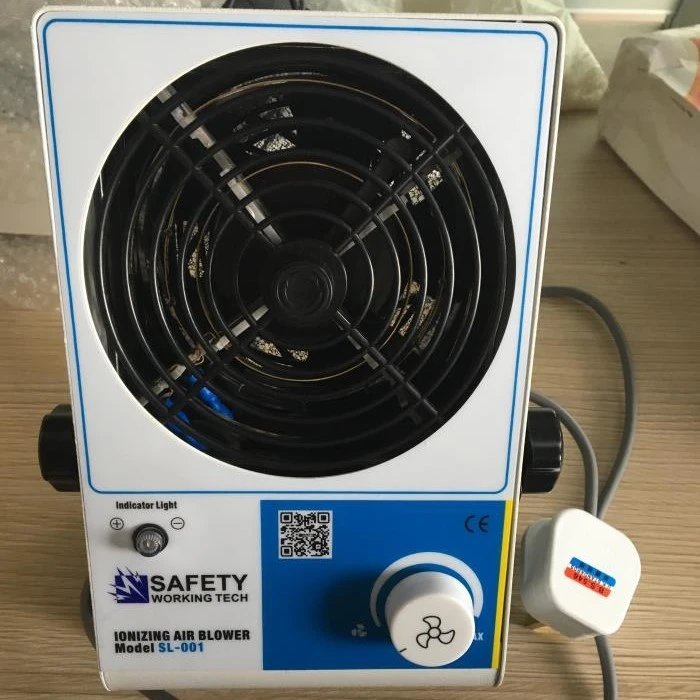
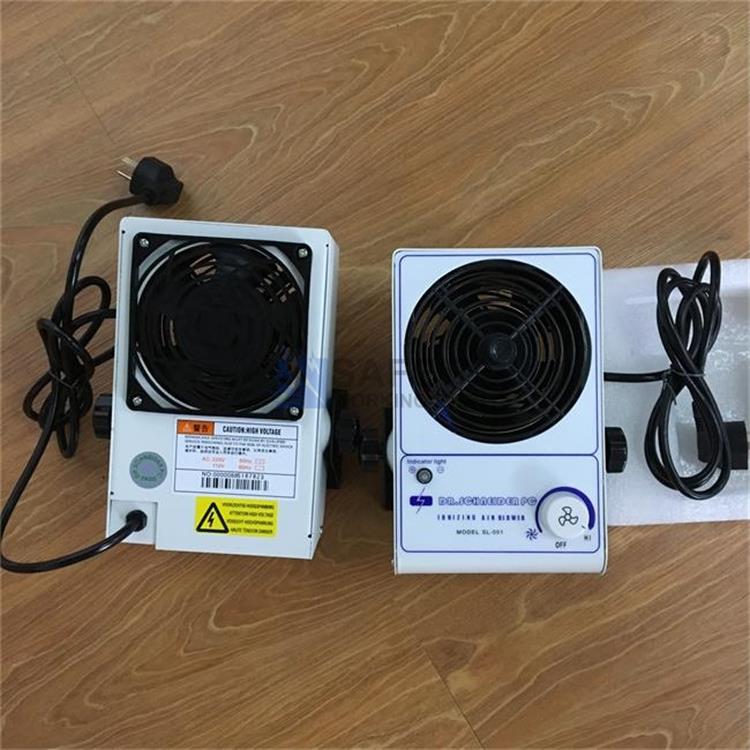
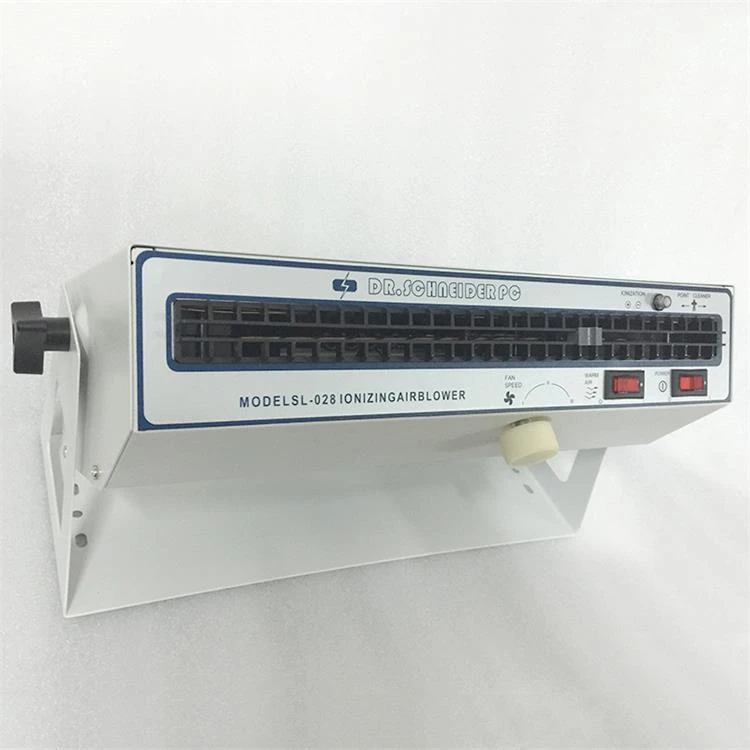
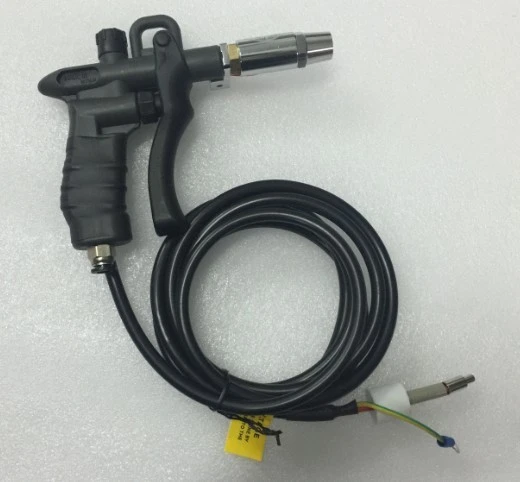
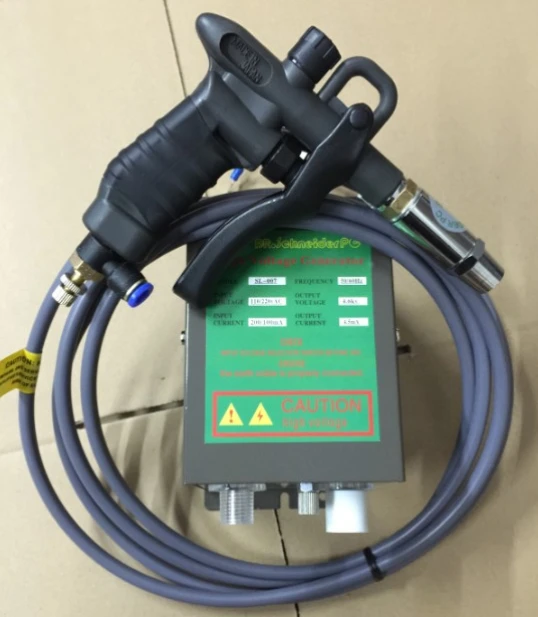
The active high-voltage static eliminator uses tip corona discharge to ionize air molecules and generate positive and negative ions to eliminate static charges on the surface of objects. The tip used usually refers to sharp metal objects with a small radius of curvature such as electrode needles and thin metal wires.
At present, high-voltage static eliminators generally use tungsten and stainless steel metal discharge electrodes.
The static eliminator usually applies a high voltage of more than 3kV to the discharge needle, so the tip of the discharge needle is loaded with a very large energy load. This is the main reason for the wear of the discharge needle, and pollution will also increase the corrosion and wear of the electrode needle.
During the high-voltage corona discharge process, frequent and violent electron/ion collisions and sputtering will occur on the surface of the electrode tip, and its microscopic surface temperature is high, which will continuously evaporate the metal; strong oxidants such as ozone and active free radicals will also be generated during the discharge process. For example, when the air humidity is high, nitric acid will also be generated. These strong oxidants will gradually corrode the metal electrode.
Once the tip of the discharge needle is worn, the concentration of the electric field energy will inevitably be reduced, so the amount of ions generated will also be reduced. When the amount of ions generated decreases, the time of de-staticization will become slower. In addition, when the discharge needle is worn, it will also affect the amount of positive and negative ions generated; that is, the amount of positive and negative ions generated is unbalanced, resulting in a worsening of the static balance voltage.
The metal tungsten used in the static eliminator is a metal with a high melting point (3410±20℃), a low evaporation rate, and stable chemical properties. It does not react with air and water at room temperature. When not heated, any concentration of hydrochloric acid, sulfuric acid, nitric acid, hydrofluoric acid, and aqua regia have no effect on tungsten. When the temperature rises to 80℃-100℃, among the above acids, except hydrofluoric acid, other acids have a weak effect on tungsten, and it has strong oxidation resistance.
The discharge electrode used in the lower-priced static eliminator is made of stainless steel, the main component of which is iron. Iron is a metal with relatively active chemical properties, with a melting point of about 1538℃, and is a good reducing agent. At room temperature, iron is not easy to react with non-metals such as oxygen in dry air. If there are impurities, it is easy to rust in humid air; it rusts faster in humid air with acid solution. At high temperature, it reacts violently, such as iron burning in oxygen to generate Fe3O4.
Based on the great difference in the physical and chemical properties of tungsten and stainless steel electrodes mentioned above, with the use of static eliminators, the discharging performance of eliminators with discharge electrodes of different materials will gradually show a large performance difference.
As for the service life of the two types of discharge electrodes, it is related to the design, use environment/occasion, discharging performance requirements and maintenance of the eliminator: in polluted and high-humidity environments, its service life is relatively short, and in clean, low/medium humidity environments, its service life is relatively long.
At present, our company has no quantitative test data (specific evidence) for discharge electrodes. The service life of its discharge electrodes is based on our company's 21 years of product application and repair experience in this industry, combined with the consensus of peers (at home and abroad), and the roughly estimated service life is: stainless steel electrodes, 1 year; tungsten electrodes, 2-3 years. It is recommended to replace the electrode needle in time if it is found that the electrode needle is passivated or the dissipation performance is reduced.