


Proper Use and Management of Anti-Static Workwear
Anti-static workwear is not a "set it and forget it" solution. Improper use or repeated non-professional laundering can damage the conductive fibers embedded within the fabric, rendering the garments unable to meet safety requirements. Therefore, careful attention must be paid to the use and management of anti-static workwear:
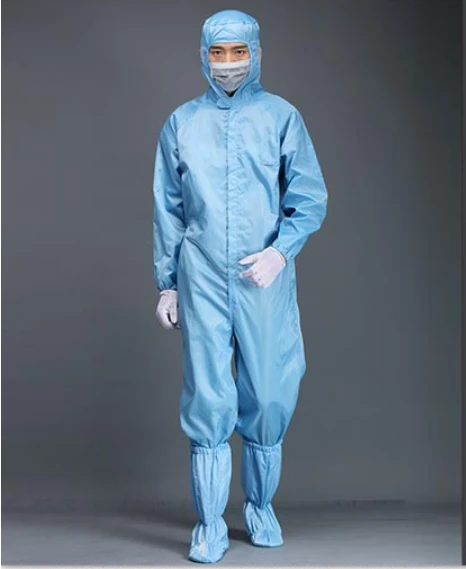
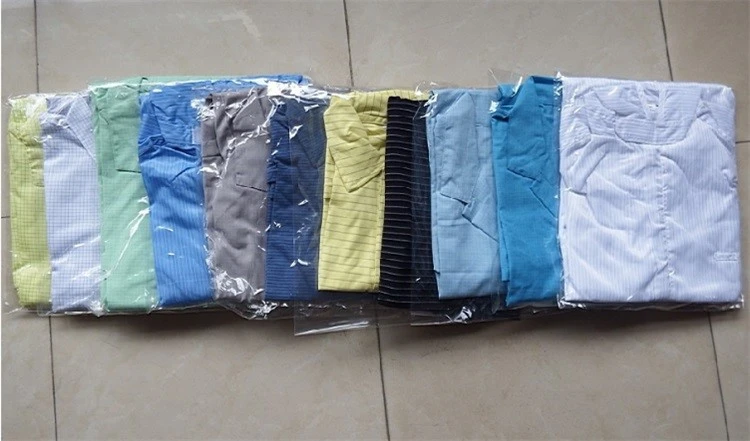
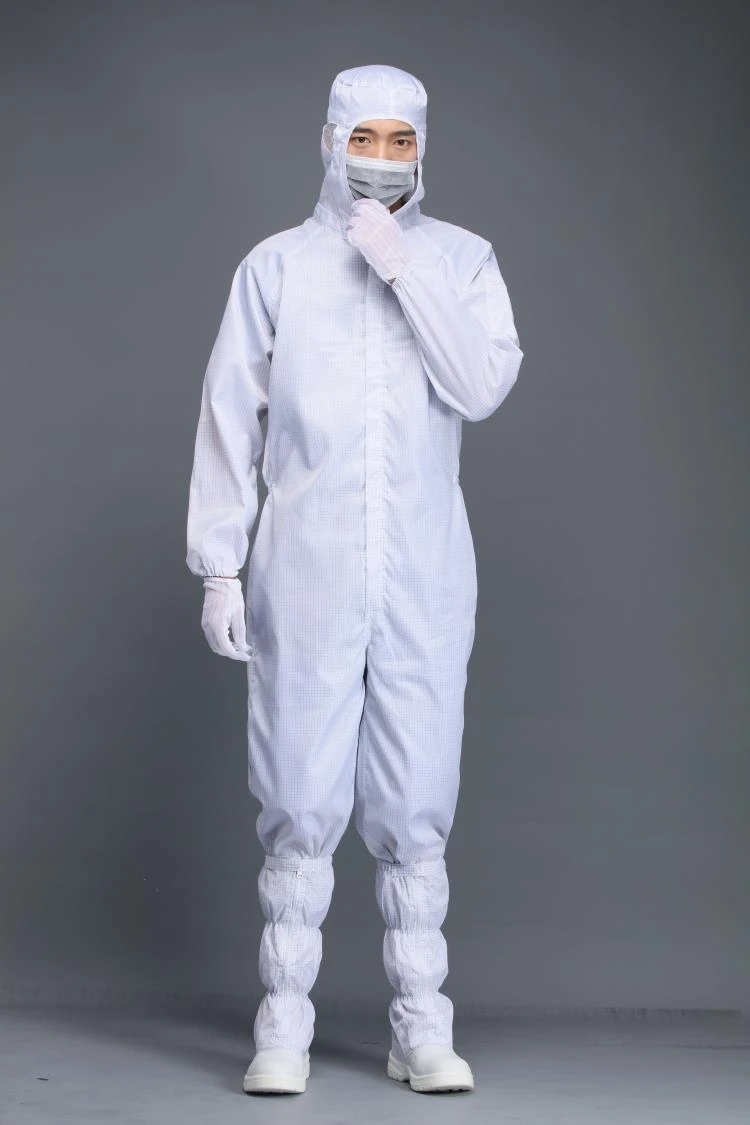
1. The garments should be made entirely of anti-static fabric; the use of linings should generally be avoided. If a lining is necessary, its exposed surface area must not exceed 20% of the total internal surface area of the garment.
2. The appropriate grade of anti-static fabric and workwear should be selected based on the specific environment and the electrostatic sensitivity of the items being handled.
3. It is strictly prohibited to attach or wear any metal objects on or with anti-static workwear.
4. Putting on or taking off workwear is not permitted in areas where electrostatically sensitive products are handled (this should be done in a designated changing room). All buttons on the workwear must be fastened; the garments should never be left in a partially unfastened or "partially removed" state.
5. Anti-static workwear must be cleaned using professional, contamination-controlled (cleanroom-grade) laundering processes. Following cleaning, the garments must undergo testing for both ESD (electrostatic discharge) properties and cleanliness levels.
6. Anti-static workwear must be replaced according to a strict schedule for personal protective equipment (PPE) to ensure that its anti-static performance does not degrade below required standards due to repeated washing. The specific replacement schedule is as follows: Initial allocation includes 2 sets each for spring/autumn and summer, 1 set for winter, 1 pair each of summer and winter footwear, and 2 caps each for summer and autumn. Replacement intervals are: 1 set of spring/autumn wear every 2 years, 1 set of summer wear annually, 1 set of winter wear every 4 years, 1 pair of summer footwear annually, and 2 summer caps every 2 years.