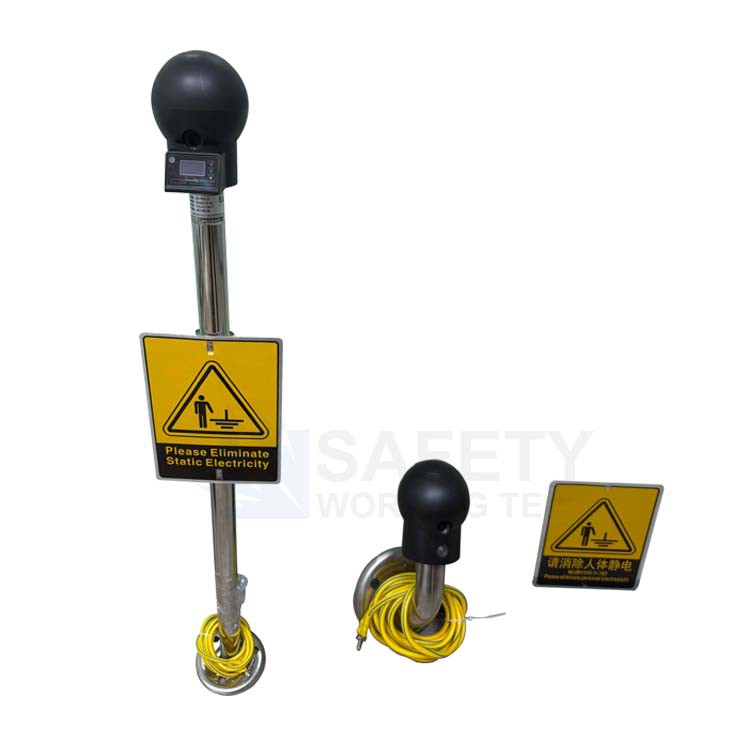
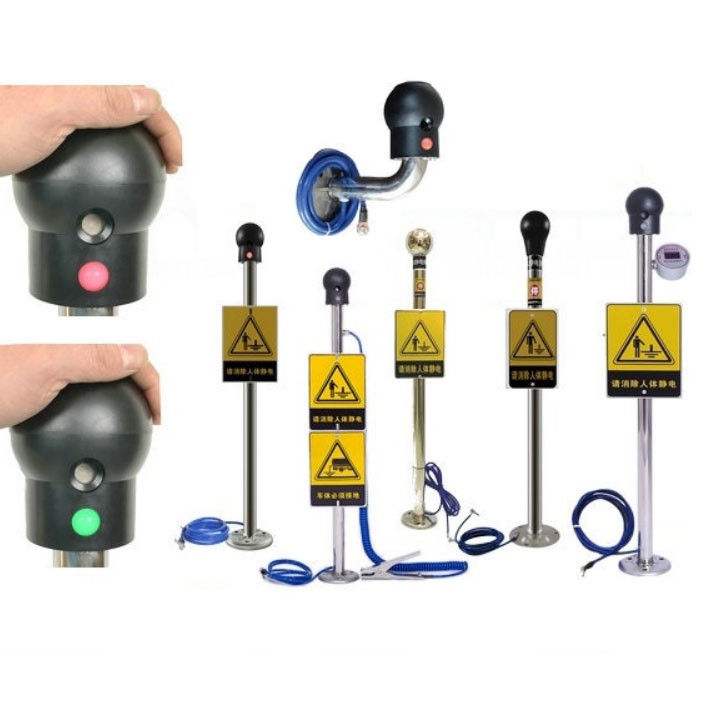
Static Electricity Elimination Measures for Non-Conductors
For static electricity on insulators, grounding cannot be used to eliminate it because charges cannot flow on insulators. The following measures can be adopted: using ionizers; using static eliminators; controlling ambient humidity; using electrostatic shielding; and process control methods.
For static electricity on insulators, grounding cannot be used to eliminate it because charges cannot flow on insulators. The following measures can be adopted:
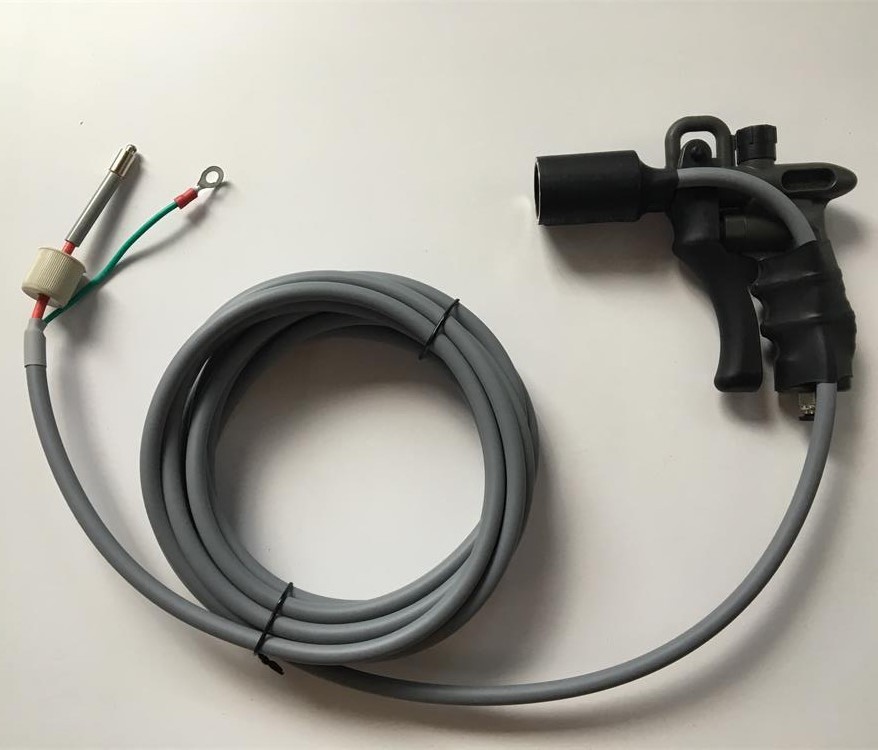
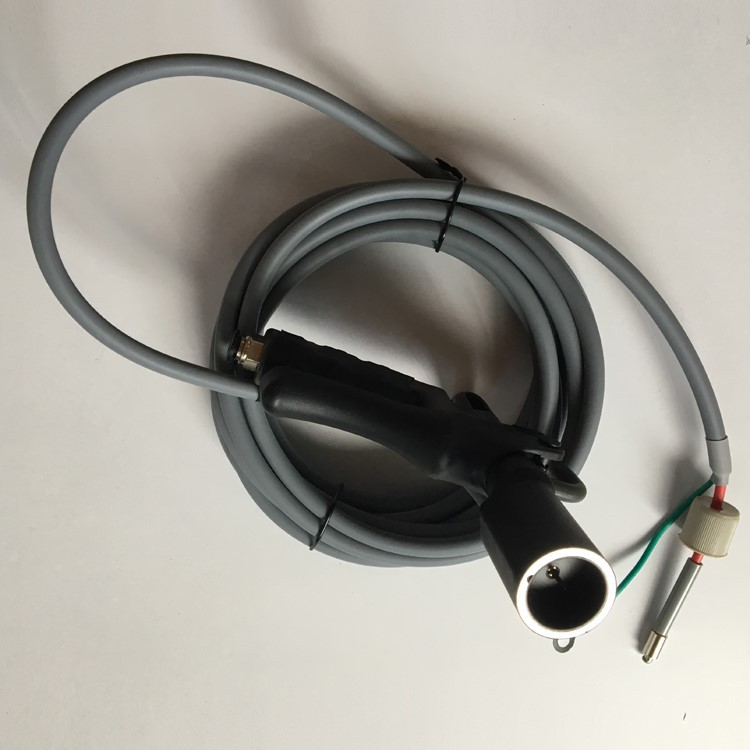
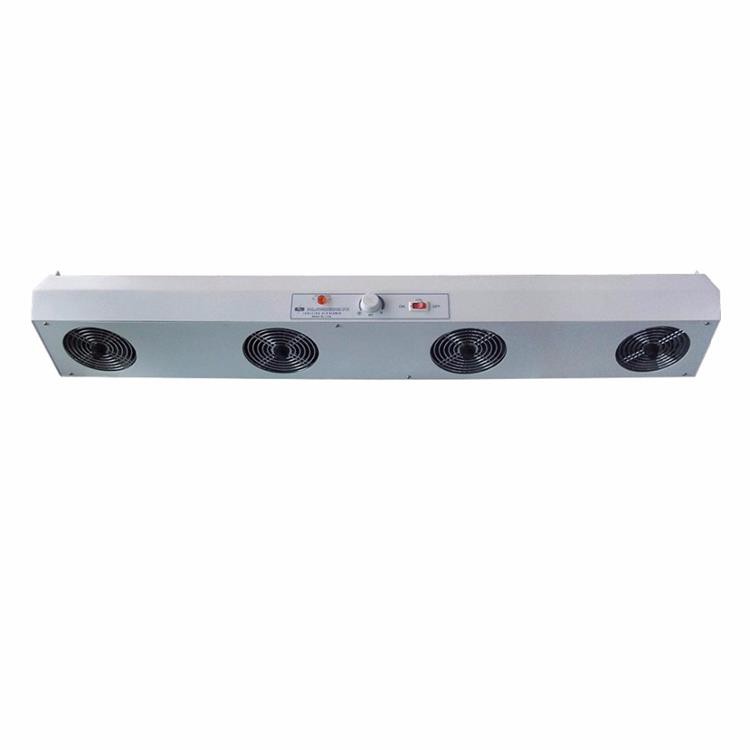
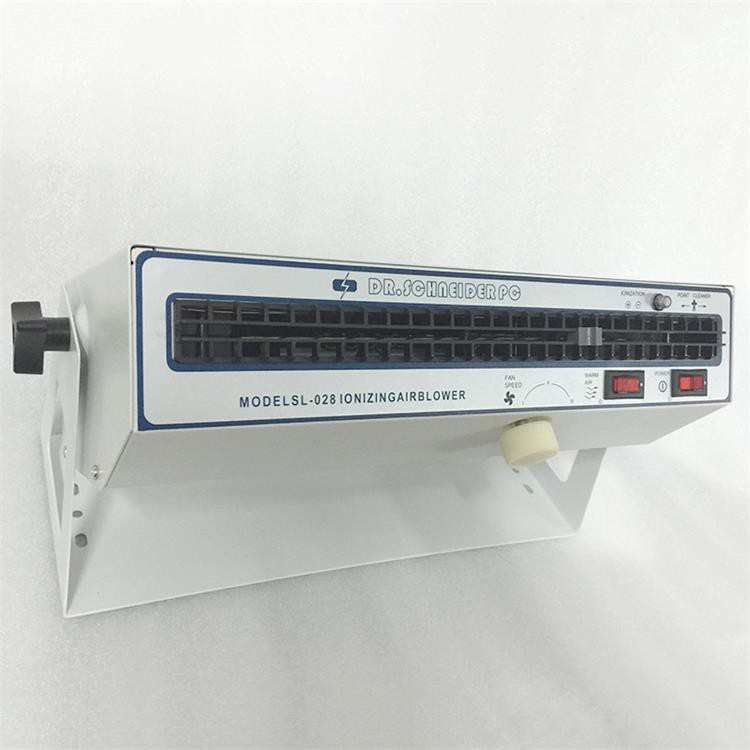
(a) Using ionizers-Ionizers generate positive and negative ions, which can neutralize static electricity from electrostatic sources. They can be placed in spaces and near the placement head of placement machines.
(b) Using static eliminators-Static eliminators are surfactants. They can be used to wipe the surfaces of instruments and objects, quickly eliminating static electricity from the object's surface.
(c) Controlling ambient humidity-Increasing humidity can improve the surface conductivity of non-conductive materials, making it less likely for static electricity to accumulate on the object's surface. For example, in dry environments in northern regions, humidification and ventilation measures can be taken.
(d) Using electrostatic shielding-Shielding covers (cages) can be used for equipment prone to static electricity, and the shielding covers (cages) should be effectively grounded.
(e) Process Control Method
In order to minimize the generation of static electricity in the manufacturing of electronic products, control the accumulation of static charge, and quickly eliminate and release existing static electricity accumulation, effective measures should be taken in terms of factory design, equipment installation, operation, and management systems.