


The Working Principle of Antistatic Shoes

Static electricity is an objectively existing natural phenomenon that can be generated in various ways, such as through friction and contact. It is characterized by high voltage, low current, low charge, and short duration. Static electricity is simply a stationary charged object. Most static electricity is usually caused by friction and separation. Friction generates heat, which activates molecules within the material. Then, the two substances separate, and electrons transfer from one substance to the other, potentially generating static electricity. The main antistatic measures in the production process are dissipation, static leakage, humidification, neutralization, isolation, and grounding.
Neutralization methods for preventing static electricity: Since grounding and isolation cannot release charge from insulators such as synthetic fabrics or conventional plastics, neutralization becomes important. Neutralizing or removing naturally generated charges from insulators during the manufacturing process is called ionization. Ions are simple charged substances existing in the air, produced by natural energy sources including sunlight, lighting, open flames, and radiation. We can artificially create trillions of ions using an ion generator. The ion generator uses high voltage to produce a balanced mixture of charged ions, and a fan helps the ions drift onto objects or areas for neutralization. Ionization can neutralize static charge on insulators within eight seconds, thus reducing the potential harm.
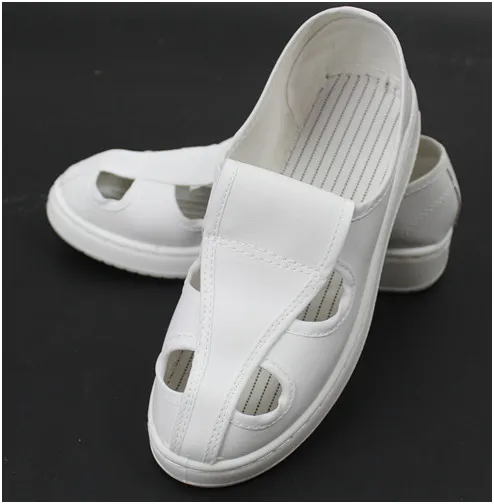
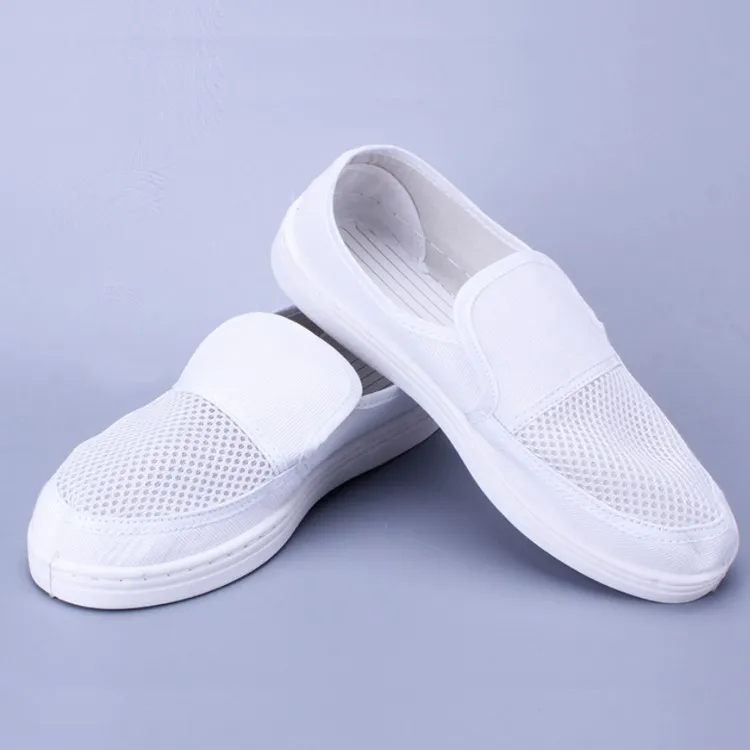
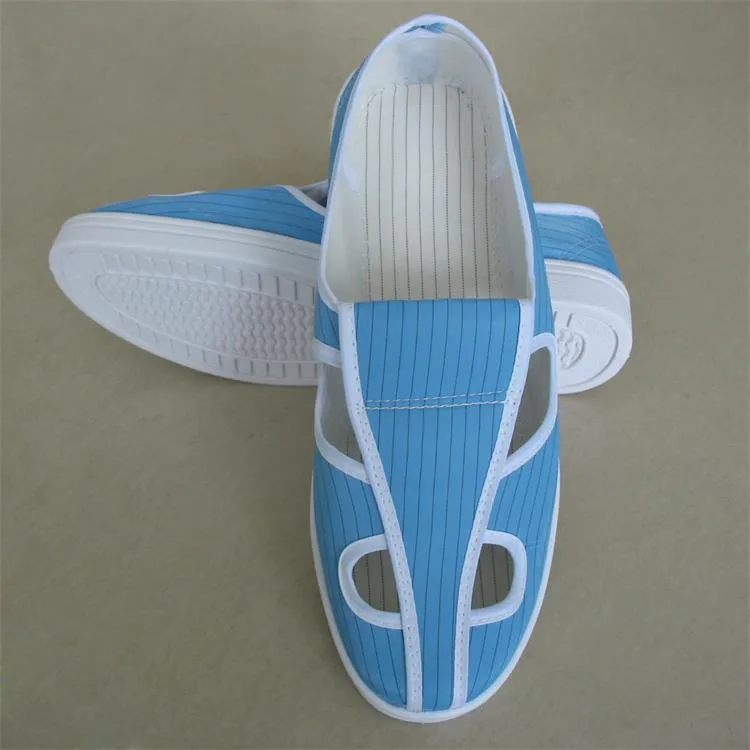
Of course, the most important aspect of static electricity prevention is prevention itself. Prevention is another crucial measure or device. This is the most critical factor in electrostatic discharge control. Anyone working with electronic components must be aware of the dangers of electrostatic discharge, understand them, and adapt to them; this is more important than any static discharge control material. This is especially true in certain gas industries and in the oil and petrochemical industries, where flammable and explosive environments are present. Workers must wear anti-static shoes and clothing during operation.
Anti-static shoe soles consist of an outermost RB sole containing conductive carbon black, followed by layers of conductive fabric and wire stitched together, each layer coated with conductive adhesive. Anti-static shoes should be worn with anti-static socks/insoles and on an anti-static floor to ensure that static electricity carried by the body is conducted to the ground. Excessive resistance or disconnection in any part of the shoe will cause the body to carry harmful static electricity. Therefore, in critical areas, a human body resistance tester should be available to continuously monitor the overall resistance of the shoes/socks/insoles and the body to ensure adequate static electricity leakage.