


What are the requirements for the ESD-safe storage of electronic components?
The requirements for the electrostatic discharge (ESD)-safe storage of electronic components cover aspects such as packaging, storage containers, environmental control, and the infrastructure of shelving and flooring. Specific guidelines are as follows:

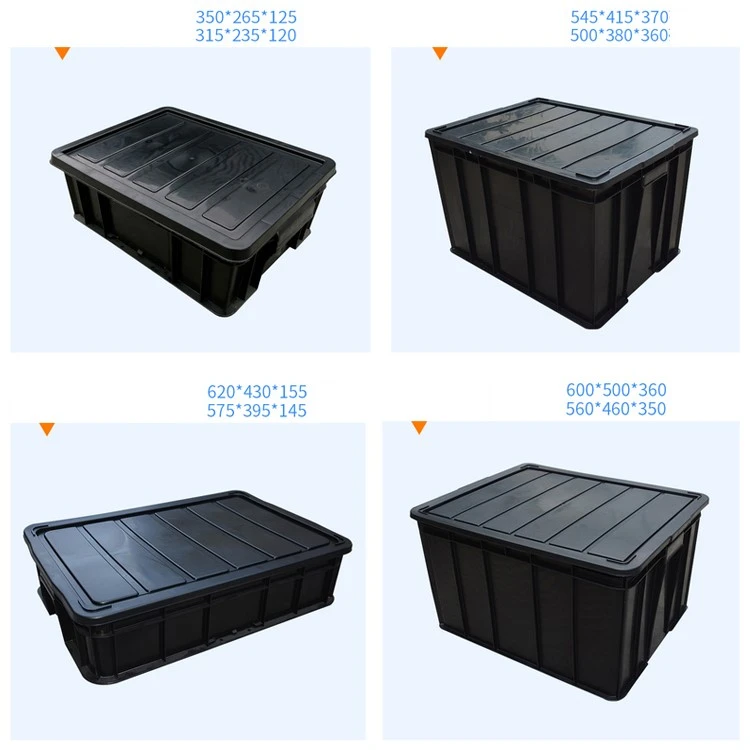


1. Packaging Material Requirements
• Proper Packaging: Electrostatic-sensitive devices (ESDs) must be stored using ESD-shielding bags, conductive foam, anti-static trays, or anti-static sponge/foam.
• Prohibited Materials: It is strictly forbidden to use non-ESD-safe materials-such as standard plastic bags, regular bubble wrap, or expanded polystyrene (Styrofoam)-in direct contact with the components.
• Keep Sealed: Do not remove components from their ESD-safe packaging until immediately before they are ready for assembly or installation.
2. Storage Containers and Infrastructure
• ESD-safe Containers: Storage boxes, transport totes, and PCB racks must possess ESD-protective properties (i.e., be made of conductive or static-dissipative materials).
• Prohibited Materials: Standard plastic containers or ungrounded metal containers are strictly prohibited within ESD-protected areas.
• Shelving and Workbenches: Shelves, drawers, and workbenches used for storing components must be constructed from ESD-safe materials, and shelving units must be reliably grounded.
3. Storage Environment Control
• Temperature and Humidity Management:
• Maintain an appropriate relative humidity level (typically between 40% and 60%). Low humidity (below 30%) significantly increases the risk of static electricity generation and accumulation.
• ESD-Protected Area (EPA) Designation:
• Storage areas should be designated as ESD-Protected Areas (EPAs), with clear ESD-warning signage posted at the entrances.
• Personnel entering these areas must adhere to ESD protocols (e.g., wearing ESD wrist straps, anti-static garments, and ESD-safe footwear).
4. Handling and Transport
• When moving components, semi-finished products, or assemblies within the warehouse, ESD-safe transport carts or ESD-safe containers must be used. • When necessary, turnover containers or vehicle bodies should be equipped with an electrostatic grounding wire to ensure good contact with the ground.