


What Are Anti-Static Transparent Folders?
Anti-static folders-also known as anti-static transparent sleeves, rigid anti-static document holders, ESD card holders, work instruction sleeves, or material status card pouches-feature a surface resistance of 10⁵Ω–10⁹Ω and an electrostatic discharge (ESD) time of less than 0.5 seconds. Standard sizes include A3, A4, A5, A6, and A7, with options for punched holes for hanging. They can also be customized to meet specific user requirements-common customizations include thickened material, magnetic backings, or specialized hole patterns. These folders are ideal for use in environments involving static-sensitive components, cleanrooms, electronics manufacturing, and assembly lines (e.g., for holding work instructions).
Classification

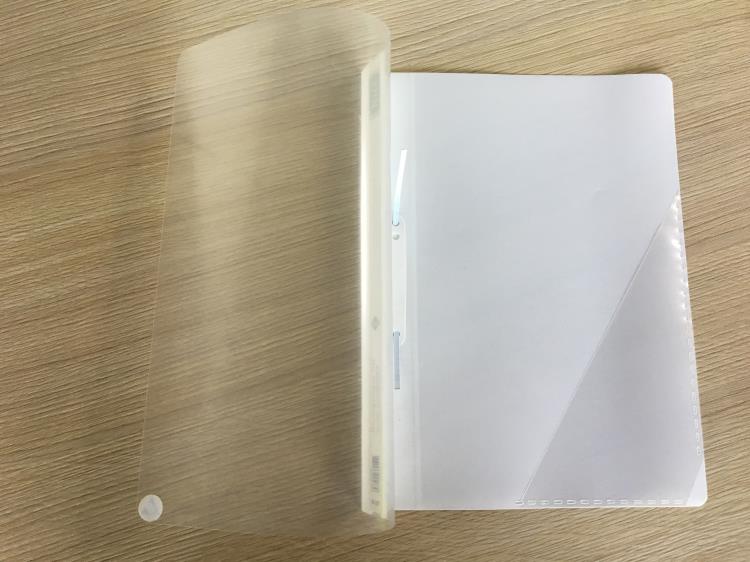
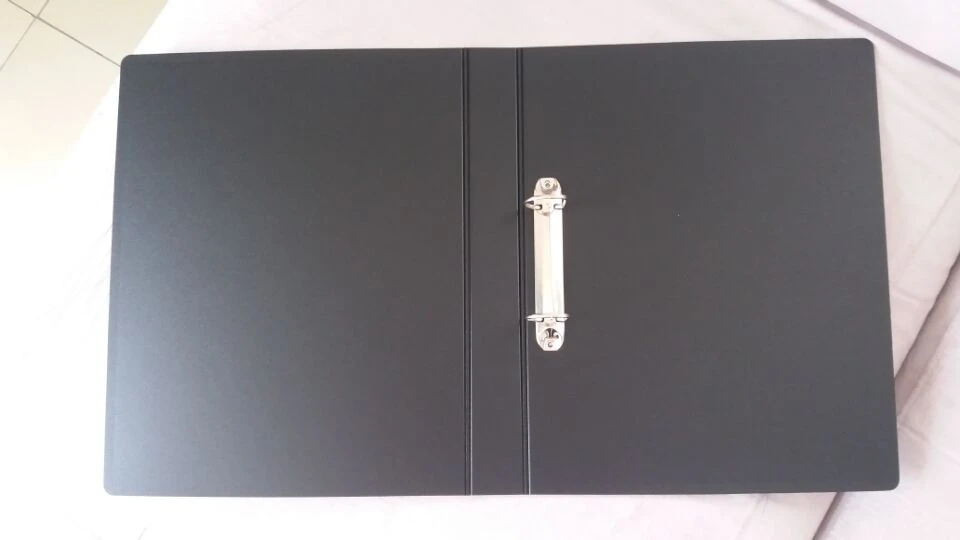
Based on their intended use, they can be categorized into five types:
1. Standard (open-edge) anti-static sleeves; punched/hanging anti-static sleeves; thickened anti-static sleeves; magnetic-backed (adhesive/double-sided) anti-static sleeves; and color-coded anti-static sleeves for area zoning.
All these anti-static transparent sleeves offer excellent anti-static properties, making them suitable for ESD protection during production processes in cleanrooms.
These sleeves are manufactured from high-polymer anti-static PVC, which combines high transparency with the ability to dissipate electrostatic charges. In use, they generate less than 80V of static electricity (compared to ≥5000V for standard, non-anti-static sleeves), with a surface resistance of 10⁵Ω–10⁹Ω and a volume resistance of <10⁹Ω. They are widely used in the manufacturing of circuit boards, laptops, mobile communication devices, semiconductors, and LED optoelectronics-both within cleanrooms and in other areas requiring ESD protection-significantly reducing the risks posed by static electricity during product packaging and manufacturing.