


Why Use Anti-Static Products?
The fundamental purpose of anti-static products is to control uncontrolled electrostatic discharge (ESD), prevent damage to electrostatic discharge-sensitive devices (ESDS), mitigate safety risks associated with static electricity, ensure product reliability, and meet compliance and supply chain requirements.
Core Concepts:
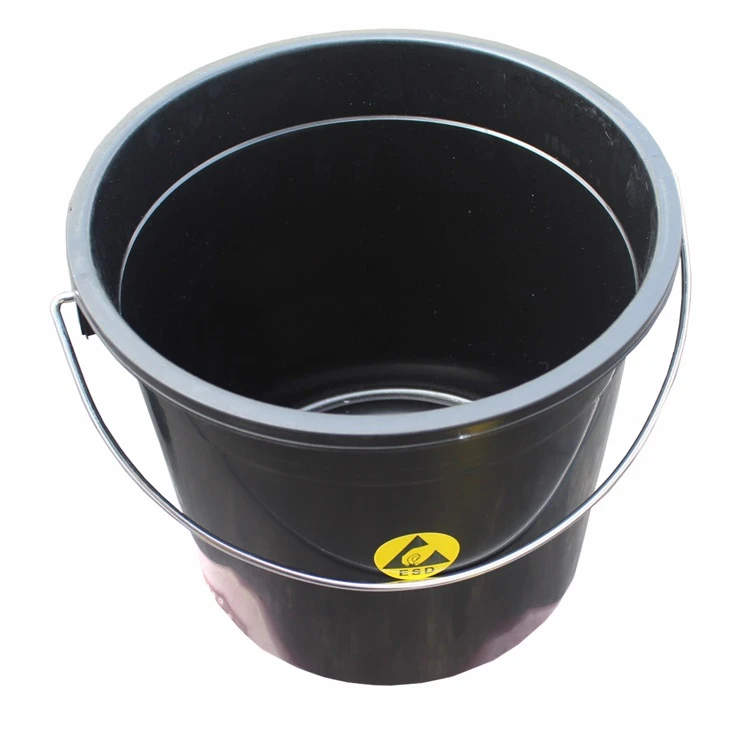


It is not about eliminating static electricity itself: Complete elimination of static electricity is impossible in real-world production environments. The goal of ESD protection is not to "eradicate static," but to manage electrical potential and control discharge to prevent ESD energy from damaging devices. Through measures such as grounding, equipotential bonding, personnel protection, ion neutralization, and material control, static potential is kept within safe limits to prevent destructive discharges.
Addressing both overt and latent failures: The aim is not only to prevent immediately visible burnout or damage but, more importantly, to prevent subtle, latent damage, thereby reducing intermittent product failures at customer sites by addressing the root cause.
End-to-end process control: ESD management covers the entire product lifecycle-including incoming materials, warehousing, production, testing, packaging and shipping, transportation, and repair-rather than being limited solely to the production floor.
Combining management and technology: ESD control is not achieved simply by purchasing anti-static equipment and materials; it requires the implementation of documented procedures, personnel training, on-site hardware, and Compliance Verification Plans (CVP). Technical measures rely on a management system to ensure their continued effectiveness.