


Anti-Static Grounding Protection in Electronics Manufacturing Facilities
Electronics manufacturing facilities have stringent requirements regarding static electricity. This article discusses anti-static grounding protection measures for such facilities.
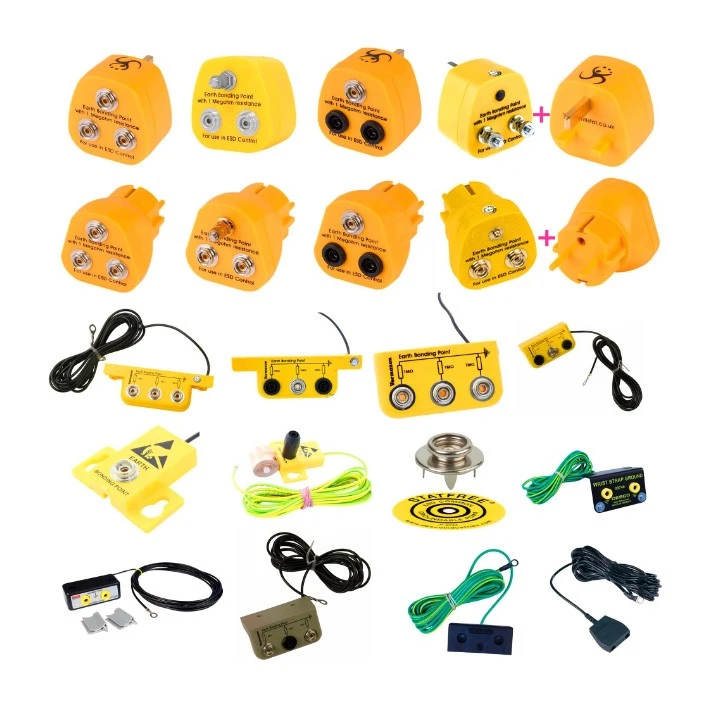

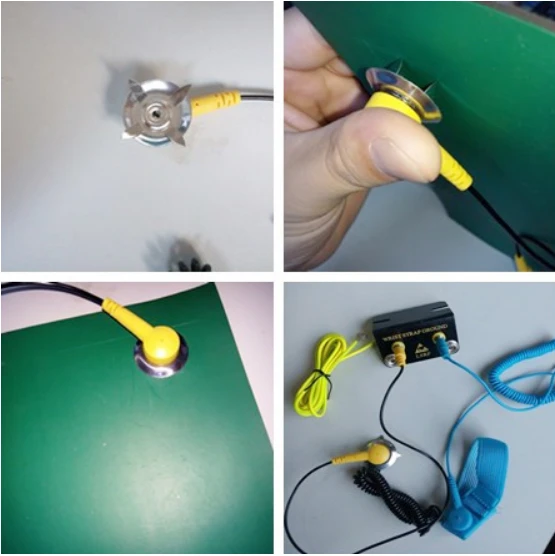
Static electricity is primarily generated through the friction between different materials. In the production process within electronics facilities, the hazards posed by static electricity are multifaceted. First, much of the equipment and instrumentation is sensitive to electrostatic voltage; static electricity can disrupt normal operations or even cause malfunctions. Second, the high voltages generated by static electricity pose a risk of electric shock to personnel. Furthermore, severe static accumulation can lead to spark discharges, potentially resulting in fire accidents.
To mitigate the hazards associated with static electricity, appropriate measures must be implemented. While there are various methods for eliminating static electricity, grounding is the simplest and most effective approach. Consequently, all equipment capable of generating static electricity within the facility must be reliably grounded. To prevent electrostatic charges accumulating on equipment and personnel from reaching dangerous potential levels, anti-static flooring is utilized in key production areas. These flooring systems incorporate a network of copper wires within the protective material; these interconnected metal networks form an electrical path to facilitate the conduction of static electricity. As part of the electrical design coordination, grounding terminals should be appropriately reserved on the building columns within the space where the anti-static flooring is installed. Once the flooring installation is complete, the metal wiring within the floor is connected to these grounding terminals. Additionally, the grounding terminals must be connected to the grounding electrode via the column's main reinforcement bars, allowing static electricity to flow from the terminals, along the reinforcement bars, and into the grounding electrode.