


Wide-Ranging Applications of Anti-Static Fabrics
Anti-static fabrics are primarily used in the production of workwear. The largest consumer base for these materials consists of companies in the electronics and computer industries. Furthermore, as electronic circuit boards are increasingly integrated into vehicles, automotive manufacturers have also become a significant market for anti-static apparel.
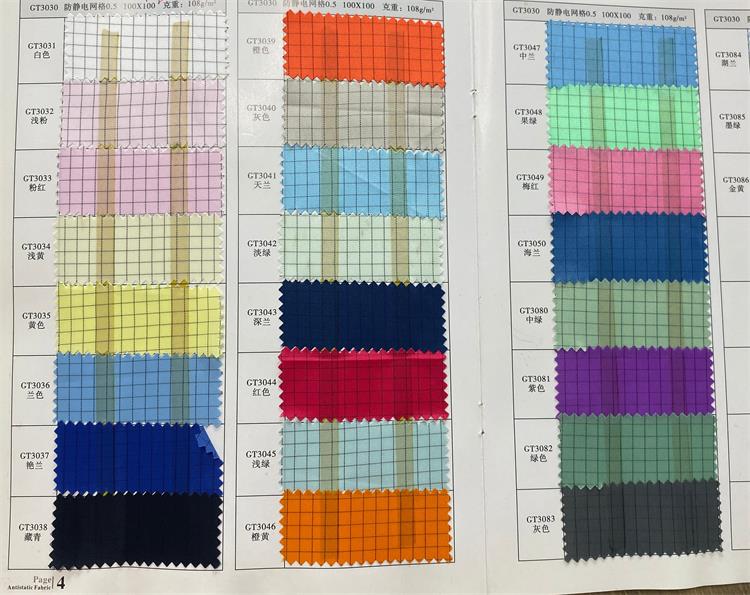
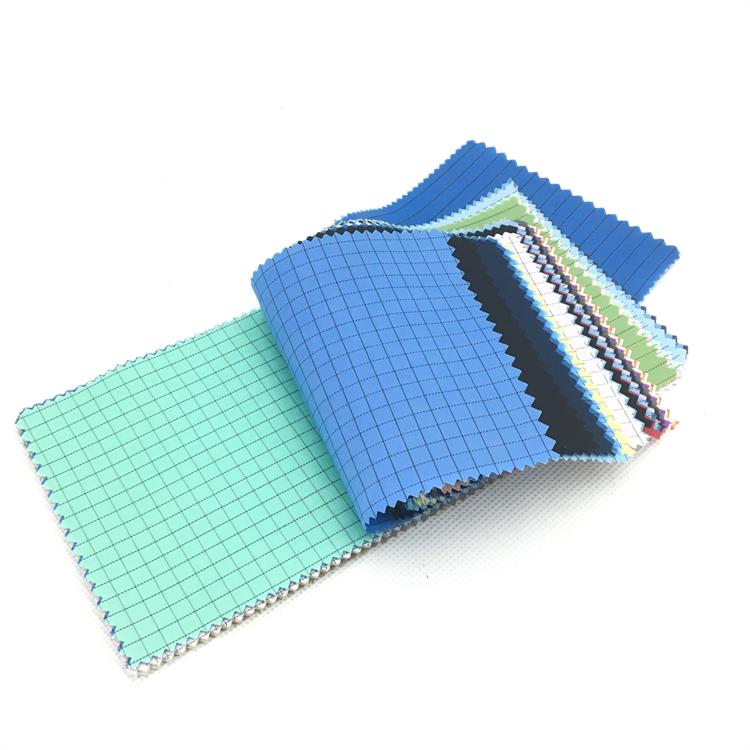
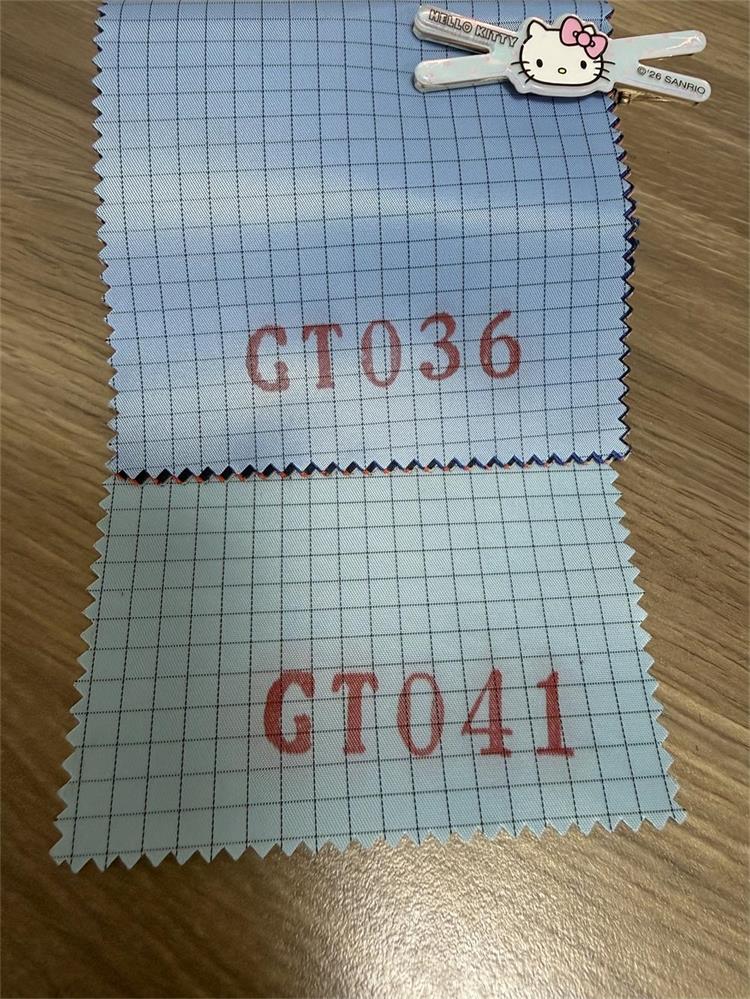
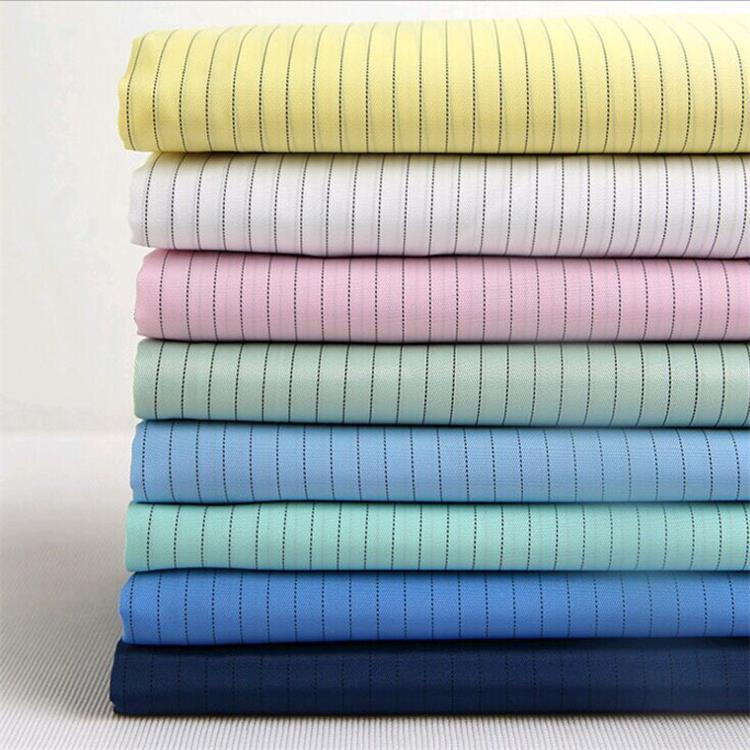
Anti-static ESD fabrics are also utilized in carpets, filter cloths, anti-static brushes, conveyor belts, undergarments, textiles for cleanrooms, and smart fabrics. The application of anti-static products in these sectors offers the potential for substantial profit.
Anti-static gear includes wrist straps, footwear, and garments. Anti-static wrist straps-inexpensive and designed to fit snugly against the body-have been widely used in the electronics industry for many years. However, as electronic components continue to shrink in size, wrist straps alone are no longer sufficient; when workers need to move around, they must rely on specialized anti-static clothing.
Currently, few companies focus exclusively on the production of anti-static fibers or yarns. Instead, many firms specialize in a broader range of anti-static and electrostatic discharge (ESD) control products, spanning everything from flooring materials to packaging and apparel. Typically, textile manufacturers or garment producers-who create workwear or protective clothing-incorporate anti-static properties into their products. Many flame-retardant fabrics are also engineered to include anti-static functionality.
In summary, the market for anti-static clothing is set to evolve in tandem with the development of consumer electronics.