


Common problems encountered when using anti-static chairs

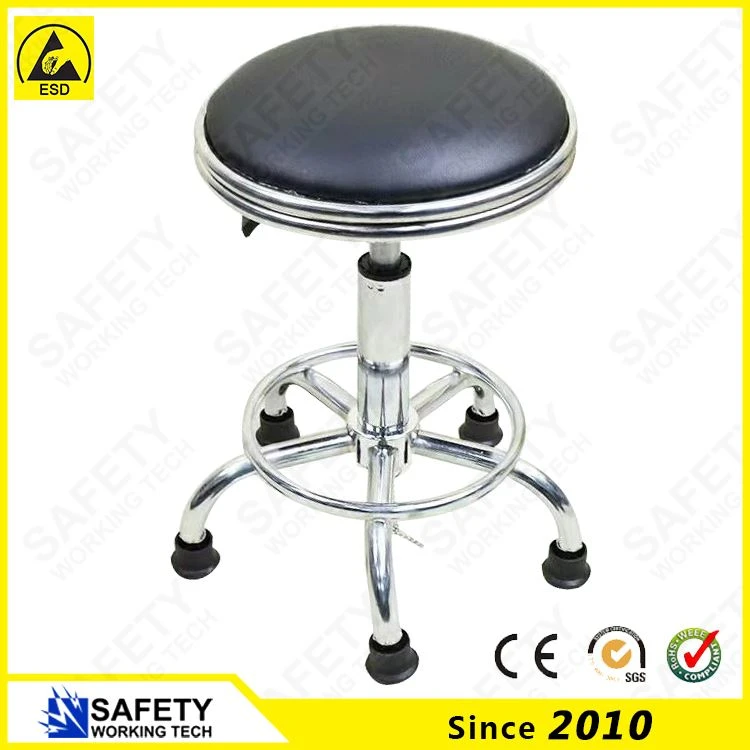


Common problem of using anti-static chair 1: What should I do if the foot cups and casters often scratch the floor?
For anti-static chairs, foot cups and casters are necessary accessories. In daily use, you can put a customized anti-static rubber holster on the foot cup, or use a caster made of soft PU, which not only maintains the anti-static effect of the anti-static chair, but also avoids the foot cup and caster Scratches the floor.
Common problem of using anti-static chair 2: There is a metal conductive chain in the accessories of the anti-static chair. Where should this be installed on the anti-static chair?
Under normal circumstances, the metal conductive chain is installed at the bottom of the lifting rod, a component of the anti-static chair, to discharge static electricity generated during use. However, the conductive chain only plays an auxiliary role. The entire system of the anti-static chair has been able to discharge all the static electricity generated, so this metal conductive chain does not need to be used, and now many anti-static chairs have casters or foot cups. They are all made of conductive nylon material, and the five-point grounding can stably discharge the static electricity generated during the use of the anti-static chair.
Common question three when using anti-static chairs: Why do anti-static chairs have no armrests?
Scientific research shows that the larger the contact area of the anti-static chair is, the easier it is to generate static electricity. Therefore, all anti-static chairs on the market do not have armrests. Of course, if you have special needs, anti-static chairs can also be customized in batches.
Common problem four when using anti-static chair: What is the surface resistance value of the anti-static chair?
According to the "Measurement Method of Surface Resistance", there are certain standards for the surface resistance of anti-static chairs, which are generally controlled between 10^4 and 10^11Ω. If some special working environments have special requirements for the surface resistance of the anti-static chair, it can also be customized by our manufacturer.