


Basic principles and principles of electrostatic discharge protection

1. Three situations of ESD damage
1. Conductors with surface turtles (human body, equipment, etc.) cause damage to the grounded devices due to discharge;
2. The device is damaged by the discharge of static electricity and the conductor;
3. In the electrostatic field, the device contacts the grounded conductor and discharges and causes damage.
2. Four basic principles of ESD protection
1. Equipotential connection: The conductor in contact with the sensitive device realizes the equipotential connection to avoid the discharge due to the static electricity of the whole belt;
2. Static power control: The static electricity of insulating materials cannot be eliminated through grounding and equipotential connection, so static power control must be carried out around sensitive devices;
3. Anti-static packaging: Devices leaving the ESD protection zone must use anti-static packaging to prevent the influence of external static electricity;
4. Safety**: ESD protection measures cannot reduce the safety level, such as safety and safety.
3. Basic technical means
1. Equipotentiality: Basic principle: Wait until the electric potential state does not discharge. Practice: ①Use and connect all objects that may touch the device (common connection point); ②Make a jumper between the grounding systems to avoid potential differences.
2. Grounding: Basic principle: Conduct discharge of static electricity to the earth through a grounding wire or grounding device. Practice: ①Establish an electrostatic grounding system; ②Use of electrostatic conductive materials; ③Two methods: hard grounding and soft grounding.
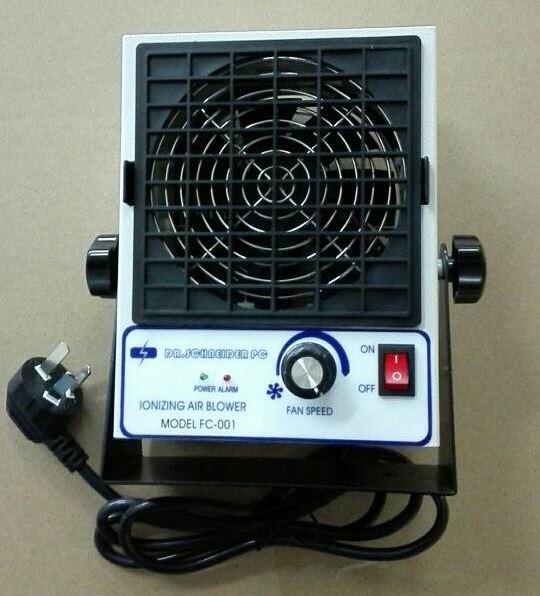
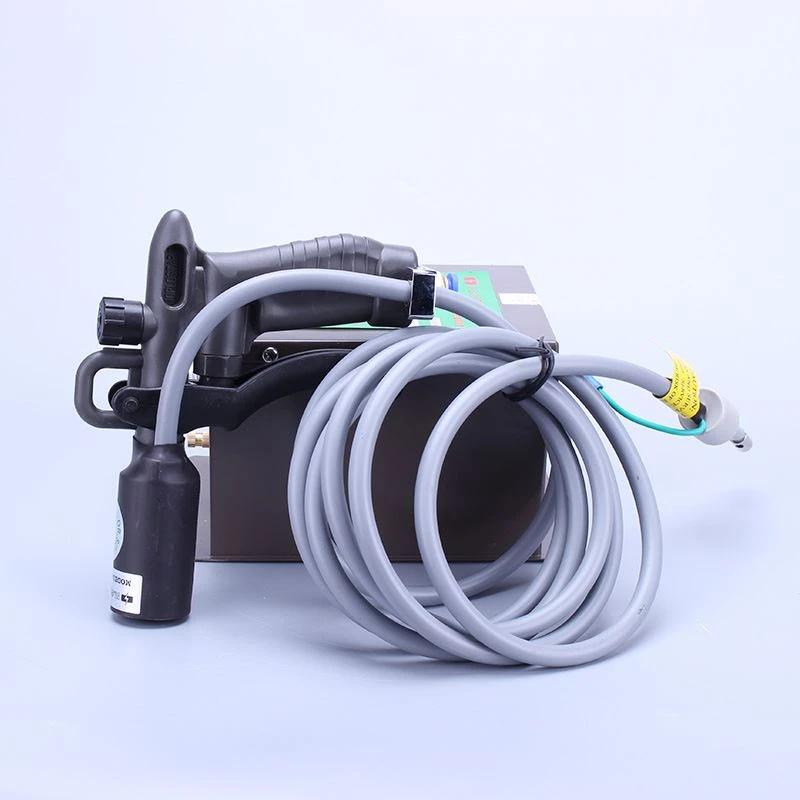
3. Ionization and neutralization: basic principle: ionized air produces positive and negative ions, which neutralize electrostatic charges. Method: ①Ion fan, ion air gun, ion bar; ②Self-inductive ion static eliminator.
4. Resistance control: Basic principle: Through resistance control, it can control the discharge or discharge of excessively strong surface turtles, while ensuring the safety of the human body. Method: ①Use of static dissipative materials; ②Connect a safety current-limiting resistor.
5. Electrostatic discharge shielding: basic principle: shielding the electrostatic field and blocking the electrostatic discharge current from passing through sensitive devices. Practice: ①Use of static shielding materials and shielding containers; ②Insulating materials and barrier structures.
6. Humidity control: basic principle: increase humidity to reduce the generation of static electricity and reduce friction voltage. Method: ①Control the humidity at 40~70% (meet the requirements of most standards).
7. Material selection and process control to avoid static electricity: basic principles: reduce static electricity by using materials that do not generate or generate static electricity; the surface of the material is smooth and clean, and static electricity is reduced; the application of static electricity sequence. Method: ①Use antistatic materials; ②Use antistatic agents.
8. Marking and labeling: mark sensitive devices to avoid storage, transportation and operation as non-sensitive devices; mark ESD protective equipment and materials to indicate their functions and prevent use beyond the validity period; for EPA (ESD protection work area, Workstations) for identification; for possible risks in EPA (IEC); for grounding points; for documents and design drawings related to sensitive devices (IEC); for equipment in EPA (IEC).
9. The protection circuit and structure design improve the antistatic ability.