


How does the thickness of anti-static curtains affect their performance?
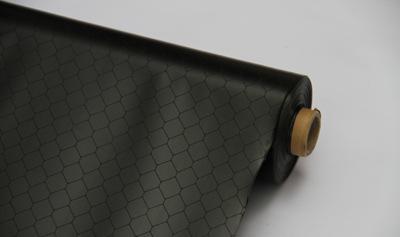
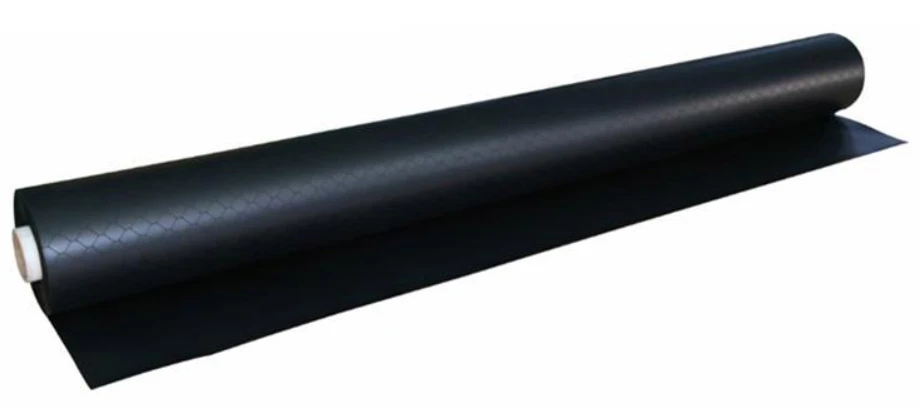
The thickness of anti-static curtains (commonly made of PVC or used as flexible partitions in industrial or cleanroom environments) is not the primary factor determining their "anti-static performance"-which instead depends on the distribution of conductive fibers, surface anti-static coatings, or the integration of a carbon-black grid. However, thickness directly influences the physical properties, service life, and suitability of the curtains for specific environments:
1. Light-Blocking and Sealing Stability
• Thinner curtains (e.g., 0.5mm): These are lighter and more flexible, often allowing more light to pass through (translucent or semi-translucent). They offer less stability in terms of light-blocking and are more prone to deformation or light leakage when exposed to airflow or temperature fluctuations.
• Medium to thicker curtains (e.g., 1.0mm): These are heavier and more rigid, providing more consistent light-blocking for darkrooms or partitions, while minimizing light leakage at the edges.
2. Wear Resistance and Mechanical Durability
• Thinner curtains: Highly flexible and lightweight, they are suitable for lighter, older track systems with limited load capacity or for temporary, short-term enclosures. However, in environments with frequent friction, high foot traffic, or contact with machinery or carts, they are highly susceptible to scratches, curling at the edges, or even tearing.
• Thicker curtains: These offer significantly better wear resistance. They maintain their structural integrity even when subjected to frequent physical contact, such as the passage of carts or forklifts, and provide superior wind resistance (they are less likely to flutter or blow around due to airflow).
3. Flexibility, Ease of Operation, and Installation Compatibility
• Thinner curtains: They are very easy to fold or roll up, and require minimal effort to open or close manually.
• Thicker curtains: These possess greater rigidity and a better "drape." However, if the material is too thick or the panel width is too large, the physical friction encountered during manual operation increases significantly; furthermore, such curtains place higher demands on the load-bearing capacity of motorized track systems.