


How Ionizers Neutralize Static Electricity on Insulators
Manufacturers in electronics and semiconductor factories can accept the presence of some insulating materials in their EPA (Environmental Protection Equipment). What kind of static electricity elimination equipment can prevent static electricity from accumulating on insulating materials? Ionizer systems continuously neutralize any charge buildup that may occur on insulators, making them a worthwhile investment for any ESD (Electrostatic Discharge) program.
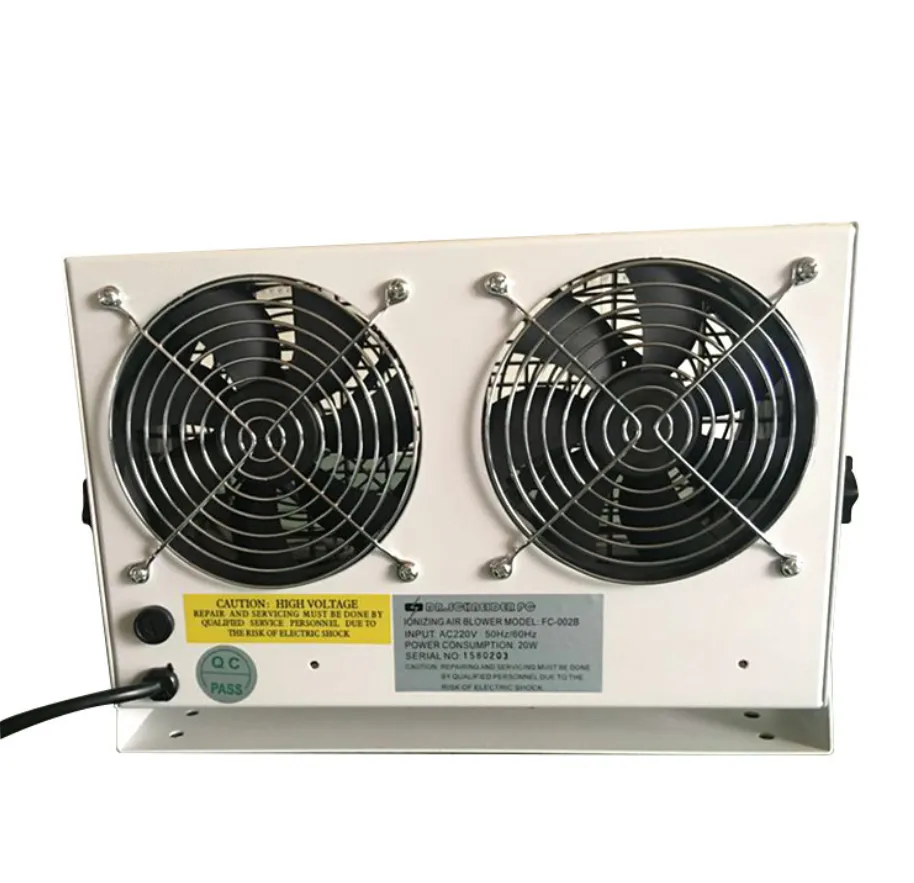
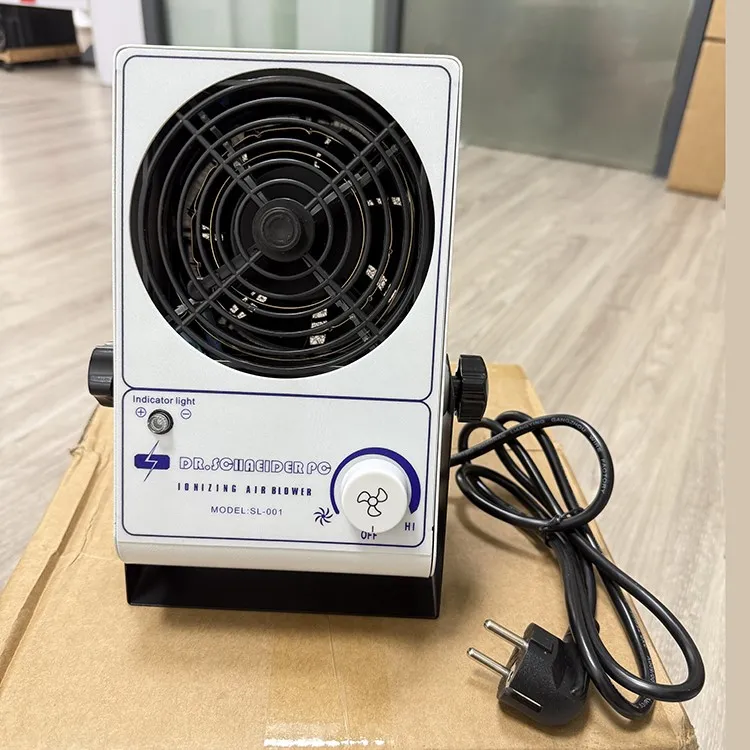
There are two basic types of ionizer equipment in standard electronic assemblies: The most effective way to neutralize assembly equipment and surfaces that can generate static charge is to use an ionizer (also called an ion generator)-a device that blows a stream of ionized air through the work area to neutralize any charge accumulated on insulating materials. Indoor ionizers are also available, but are now primarily used in cleanrooms in the electronics industry. The choice depends on the size of the area to be protected. A benchtop ionizer will cover a single work surface, while a wall-mounted ionizer will cover two or three workstations. Another advantage is that ionizers also prevent static dust from adhering to products, which could otherwise degrade their appearance. However, no protection program is complete without proper testing and monitoring of the effectiveness of ESD equipment. Good ESD control and ion generator experts have reported examples of manufacturers using faulty (and therefore useless) ESD equipment without their knowledge. To prevent this, in addition to standard ESD equipment, ESD suppliers offer various constant monitoring devices that automatically alarm if a performance exceeds specifications. These monitors can be used as standalone units or connected in a network. There is also network software for automatic data acquisition, displaying real-time system performance information for operators and workstations.
The air inlet and outlet cleaning meshes of the ion fan should be kept clean to prevent airflow blockage. This can be done with a soft brush or compressed air. Ion balance testing is performed using a plate load monitor or an ion tester to measure the ion balance (residual voltage). Static elimination time testing is performed using a static analyzer or a load monitoring board to measure the static elimination time. The ion fan should be calibrated to ensure a stable and consistent ion output design. Ion balance deviations (residual voltage) can occur due to factors such as voltage fluctuations and ambient air humidity.