


Inspection Standards for Electrostatic Field Testers
1. Upon receiving an electrostatic field tester, the first step is to examine its appearance and color. Based on knowledge of various market imitations, counterfeit products generally have a dull color and yellowish labels, whereas genuine products feature a brighter, whiter, and fresher appearance that does not look worn or aged.
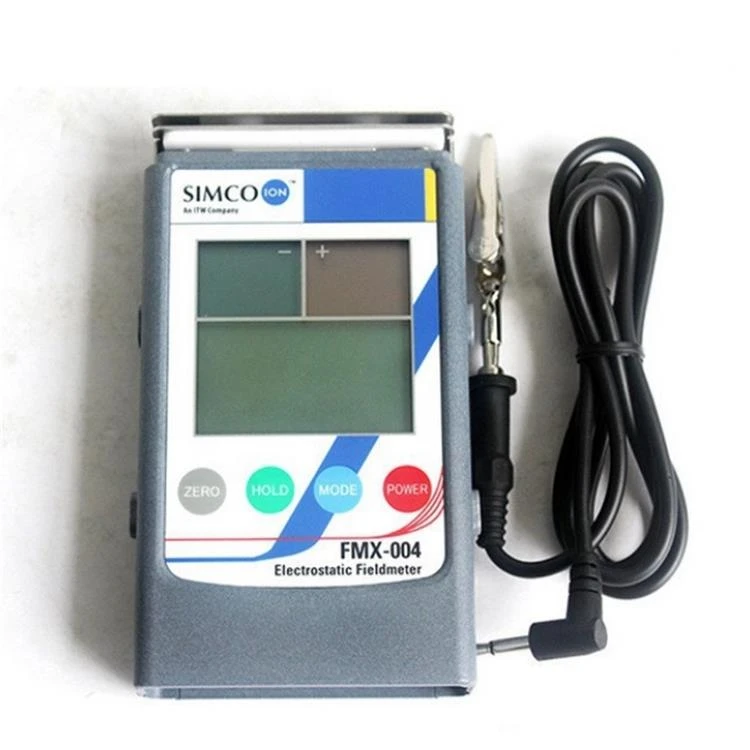
2. Examine the switch mechanism. Buttons on counterfeits are simple in design, while genuine buttons feature a small central indentation, reflecting a more precise manufacturing process.
3. There are subtle differences in the grounding port and the small central label. On counterfeits, the grounding port features a metal insert, whereas on genuine units, the port is made of the same material and color as the surrounding casing.
4. Regarding the small label marked with the number "3": counterfeits feature Japanese characters, whereas genuine units have a plain, solid-colored circular label without any Japanese text.
5. Examine the test port at the rear of the unit. Counterfeit ports are large with rough, uneven gaps; genuine ports are smaller, have rounded edges, and feature precise gap finishing.
6. Standard grounding wire: The genuine wire is noticeably thicker than the counterfeit version. The rubber finish on the genuine grounding clip is smooth and refined, whereas the counterfeit version is rough, stiff, and lacks a smooth finish.
7. Internal desiccant: Genuine units use non-woven fabric packaging that is neat and tidy, whereas counterfeits use ordinary paper packaging that has poor breathability and creases easily.