


Key Application Scenarios for Static Grounding Clamps
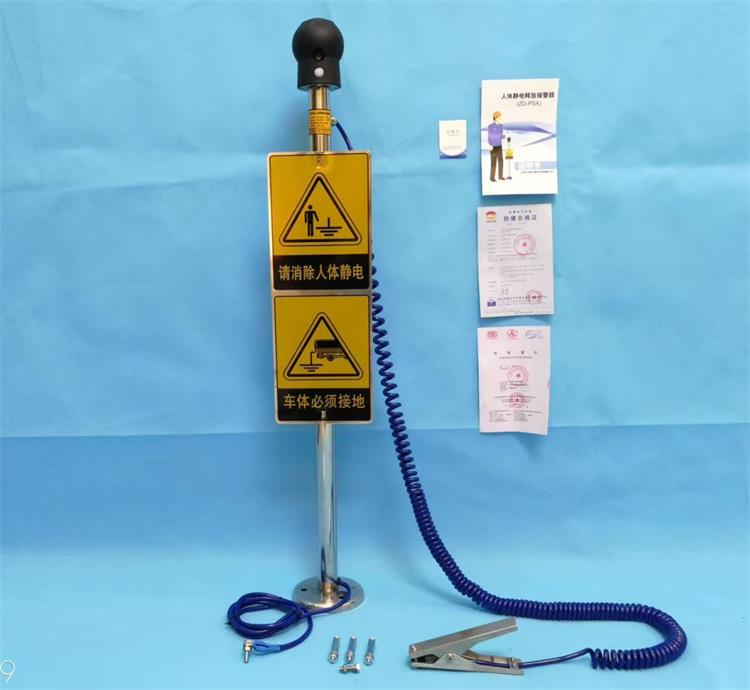
Static grounding clamps are primarily used to safely channel accumulated static charges from equipment, containers, or the human body into the ground, thereby preventing fires, explosions, or damage to precision instruments caused by static buildup. They are widely used in industry and scientific research, with core applications falling into the following categories:

1. Petrochemicals and Hazardous Materials Storage/Transport (Explosion and Fire Prevention): This is the most critical safety application for static grounding clamps. In flammable and explosive environments, even a tiny static spark can trigger a major accident. Tanker and Railcar Loading/Unloading: At gas stations, oil depots, or chemical plants, static grounding clamps must be attached to the vehicle body during the transport and transfer of petroleum products to channel static electricity generated by fluid flow into the ground in real-time. Mobile Containers and Tanks: Used for the mixing, dispensing, storage, and transport of hazardous chemicals-such as paints, coatings, solvents, and pharmaceutical reagents-by connecting hoppers, IBC totes, metal mixing drums, and similar vessels.
2. Electronics Manufacturing and Semiconductors (Protecting Precision Components): Static electricity in electronics workshops can cause dielectric breakdown in fragile microelectronic chips and precision components. Production Equipment and Workstations: Used to reliably ground SMT (Surface Mount Technology) lines, chip testing stations, solder pots, conductive mats on work surfaces, and instrument housings to eliminate static buildup. Material Handling and Testing: Clamping onto conductive flatbed carts, material handling racks, or testing instruments to ensure the entire operational environment maintains an equipotential state.
3. Precision Instruments and Medical Equipment: High-Tech Laboratories: Precision balances, spectrometers, and other static-sensitive laboratory instruments often include these clamps as standard equipment to prevent static interference with measurement accuracy. Medical Imaging Equipment: Large-scale precision medical devices-such as MRI (Magnetic Resonance Imaging) and CT scanners-utilize grounding clamps to prevent static interference that could cause image artifacts or equipment malfunctions.