


Anti-static Performance Testers
Anti-static performance testers are specialized instruments used to measure material surface resistance, electrostatic voltage, or the effectiveness of anti-static grounding systems for personnel.
Common Types and Functions
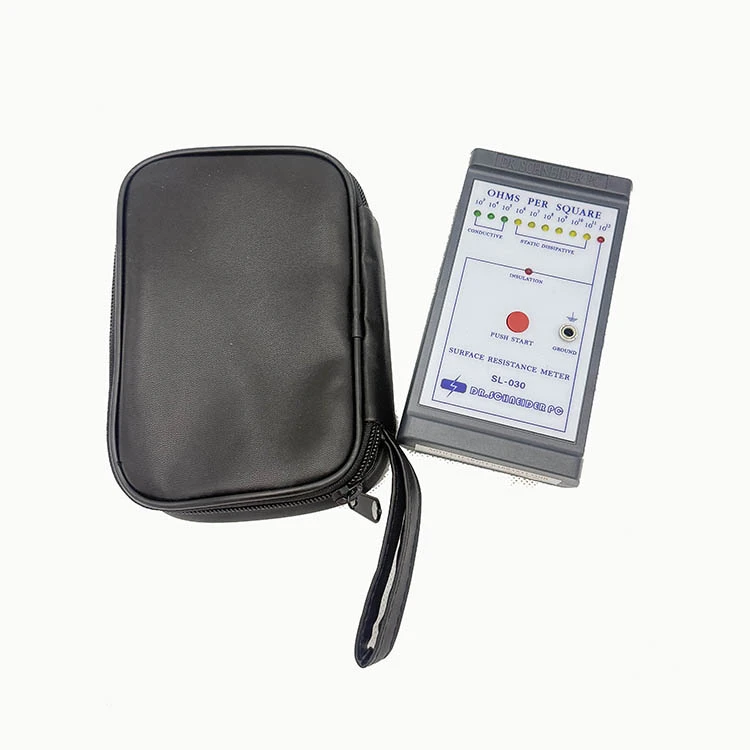
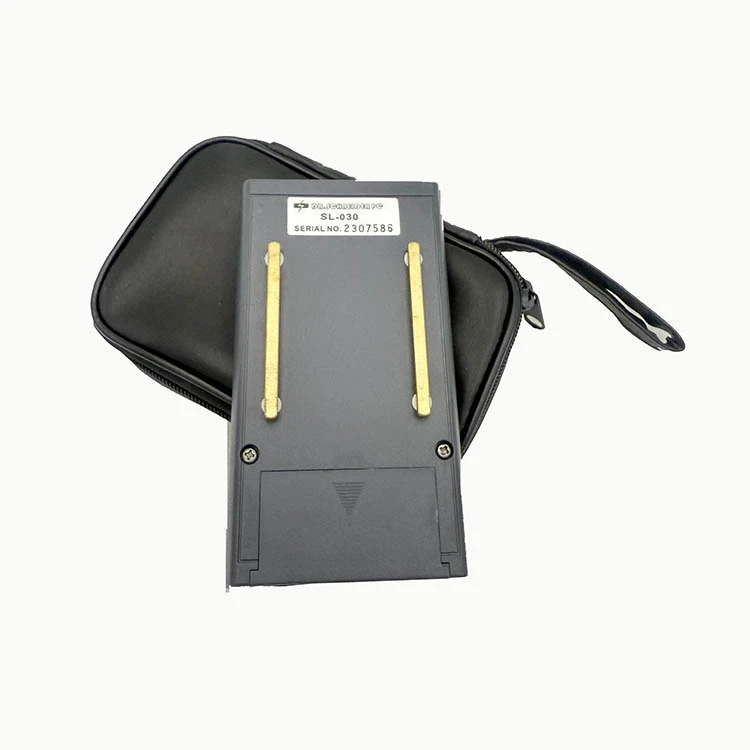
• Surface Resistance/Resistivity Testers: e.g., the SL-030 anti-static tester; uses copper strip electrodes to rapidly measure the surface resistance and grounding resistance of conductive, anti-static, and insulating materials. Typically features a three-color LED or digital display (green for conductive, yellow for anti-static, and red for insulating materials).
• Electrostatic Field/Voltage Testers: e.g., non-contact handheld electrostatic testers; used to measure the electrostatic potential on object surfaces and the effectiveness of static eliminators.
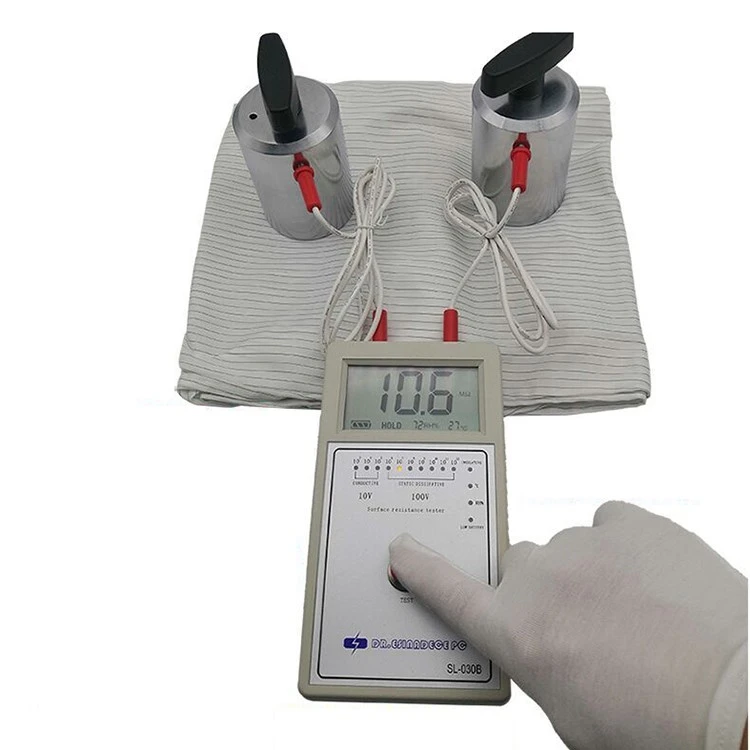
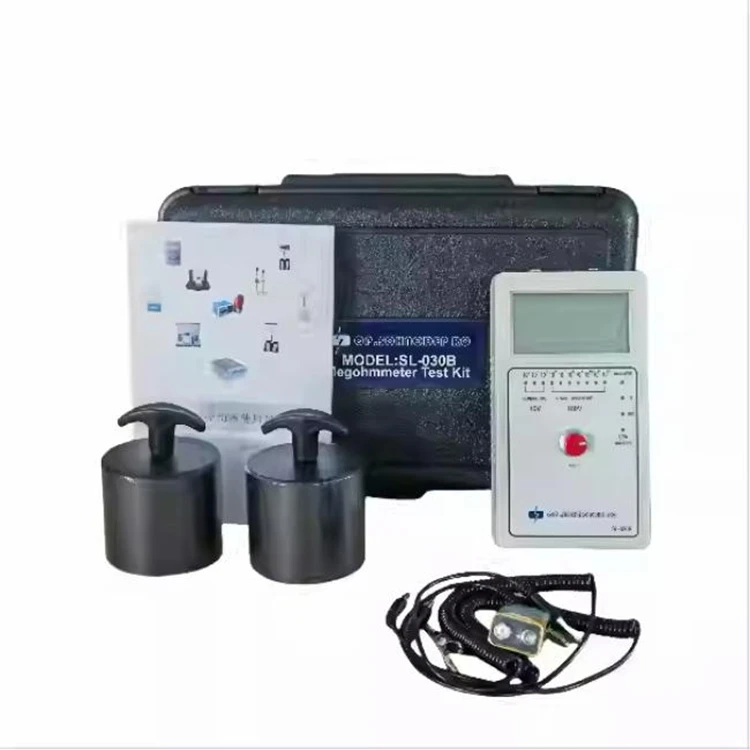
• Personnel Grounding Testers (ESD Testers): Used for online or manual verification of whether the resistance of anti-static wrist straps and footwear worn by employees meets required standards.
• Specialized Anti-static Testers: e.g., testers for anti-static safety helmets or engineered wood panels; designed to test specific parameters of specialized protective gear or board materials in accordance with national standards (such as GB/T 2812).
Key Application Scenarios
• Electronics and Semiconductor Manufacturing: Testing anti-static parameters for production line workbenches, anti-static flooring, material handling containers, and electronic components.
• Laboratories and Quality Inspection Agencies: Evaluating electrostatic decay and surface impedance properties of materials such as textiles, plastic films, rubber, and engineered wood panels.
• Safety and Protection Oversight: Conducting compliance inspections for specialized personal protective equipment (e.g., anti-static safety helmets, footwear, and clothing).