


Applications of Anti-Static Wrist Straps and Heel Straps
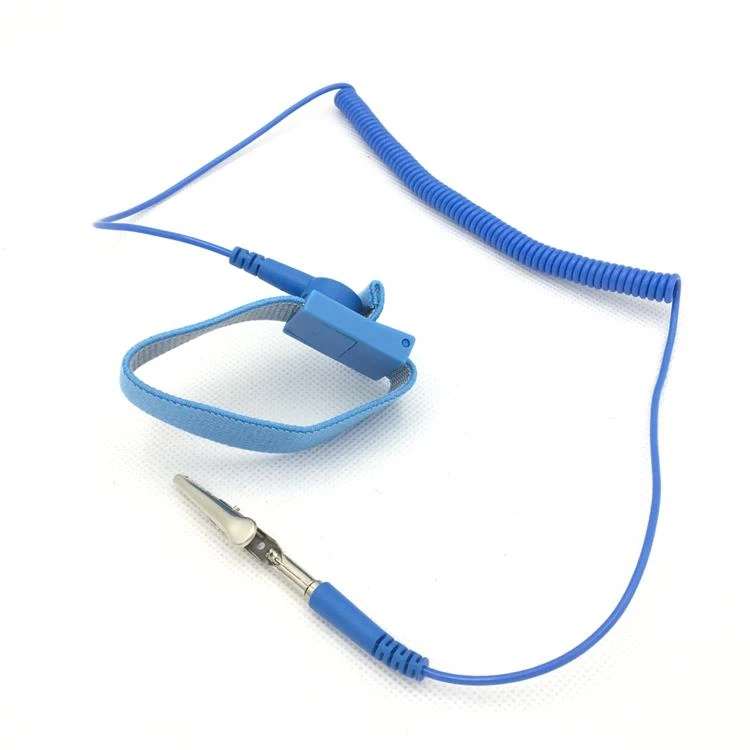
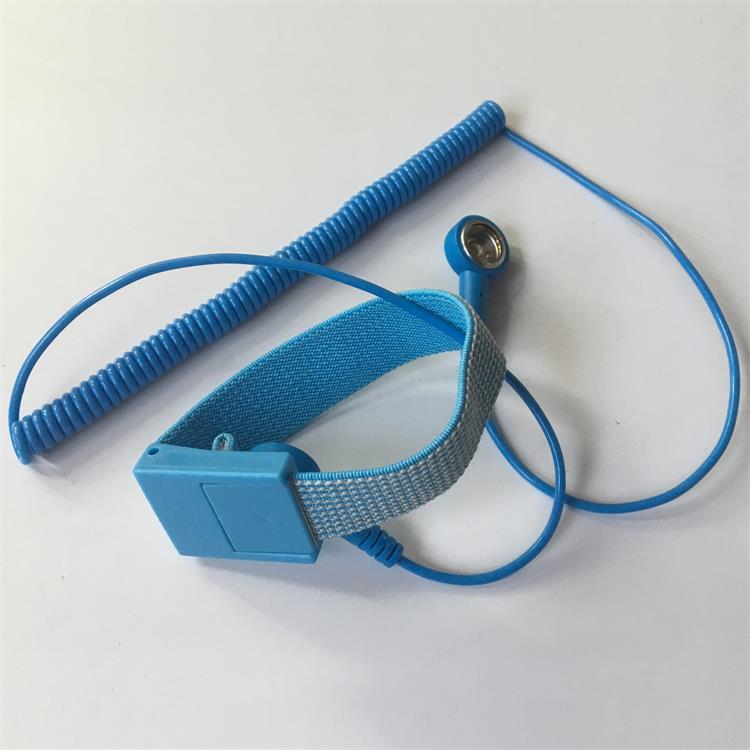
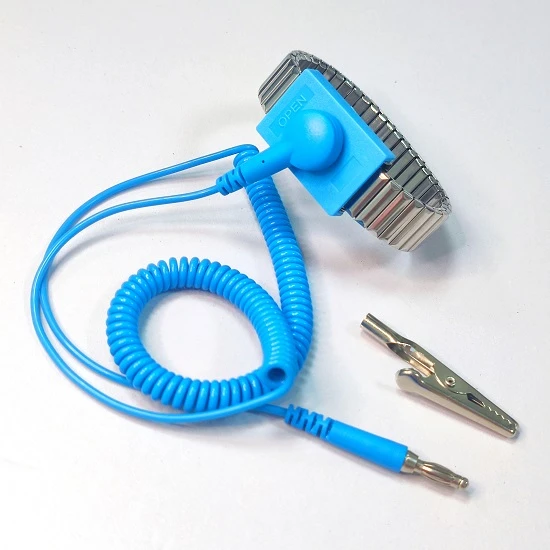
Anti-static wrist straps and heel straps (collectively referred to as "industrial anti-static straps") are essential grounding devices for personnel within an Electrostatic Protected Area (EPA).

I. Applications of Anti-Static Wrist Straps
• Core Function: To safely and gradually dissipate static electricity from the human body to the ground. This prevents the accumulation of static charge, which could otherwise lead to high-voltage Electrostatic Discharge (ESD) that damages precision components or sparks a fire/explosion in hazardous environments.
• Typical Use Cases:
• Stationary (seated) work environments, such as electronics manufacturing, microelectronics assembly and inspection, hard drive production, and semiconductor fabrication facilities.
• Personal repair of precision electronic equipment (e.g., computer motherboards or smartphone logic boards), often used in conjunction with repair guides (such as those from iFixit).
• Usage Guidelines and Key Points:
• Placement: Typically worn on the non-dominant wrist (e.g., on the left wrist for right-handed individuals). It must be in direct contact with the skin; it cannot be worn over clothing.
• Current-Limiting Resistor: These straps usually contain an integrated 1MΩ (megaohm) resistor, which protects the user from electric shock when working with electrical equipment.
• Grounding Connection: The clip or connector at the end of the strap's cord must be attached to a reliable, designated anti-static grounding point (such as a dedicated grounding socket). Never attach it arbitrarily to large metal objects with unknown electrical resistance.
II. Applications of Anti-Static Heel Straps
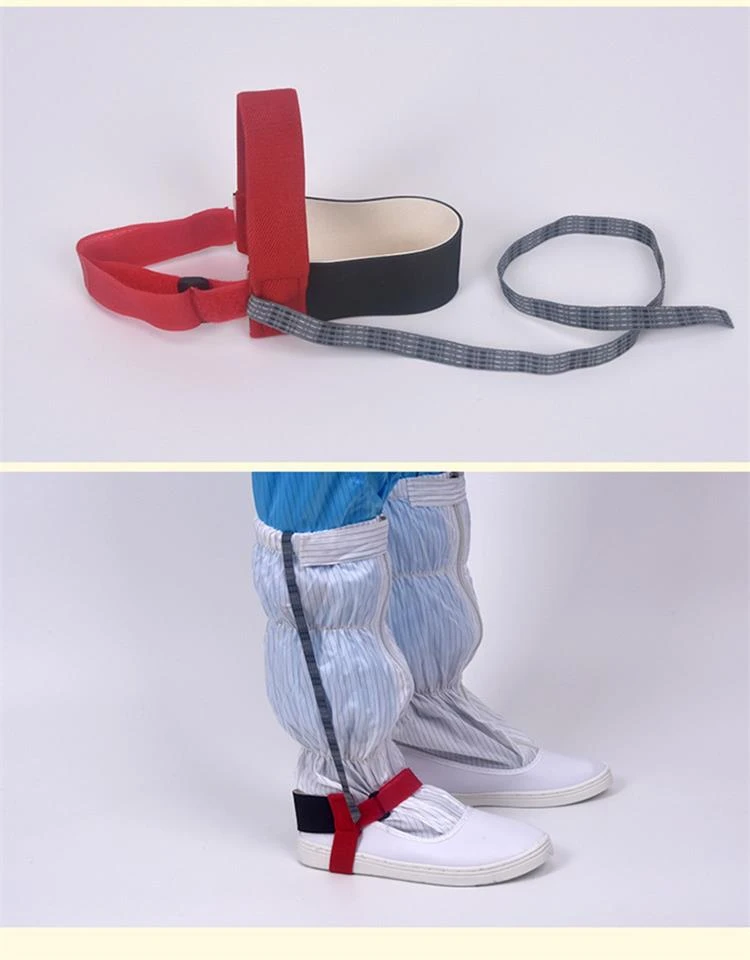
• Core Function: Designed for use in conjunction with anti-static footwear or anti-static flooring. As personnel walk or stand within a facility, the heel strap-utilizing conductive rubber-establishes a connection with the anti-static floor. This allows static electricity generated by the human body to be rapidly discharged into the ground, bringing the body's electrical potential to zero.
• Typical Use Cases:
• Suitable for work environments that require frequent movement or standing, such as electronics assembly lines, microelectronics laboratories, semiconductor fabrication facilities, and home appliance repair workshops. • Structure and Usage Guidelines:
• Composition: Typically consists of a dual-layer conductive rubber component, an adjustable hook-and-loop (Velcro) strap, and a conductive ribbon; a 1MΩ current-limiting resistor is integrated internally.
• Wearing Instructions: Must be worn on the outside of the shoe (positioned at the heel or ankle). The conductive ribbon must be tucked inside the sock to ensure proper contact with the wearer's skin or an anti-static insole.
• Maintenance of Floors and Footwear: Dust and dirt on shoe soles or the floor can alter resistance values, thereby reducing the effectiveness of static dissipation; therefore, both the floor and the footwear must be cleaned regularly.