


Difference between AC and DC ion fans

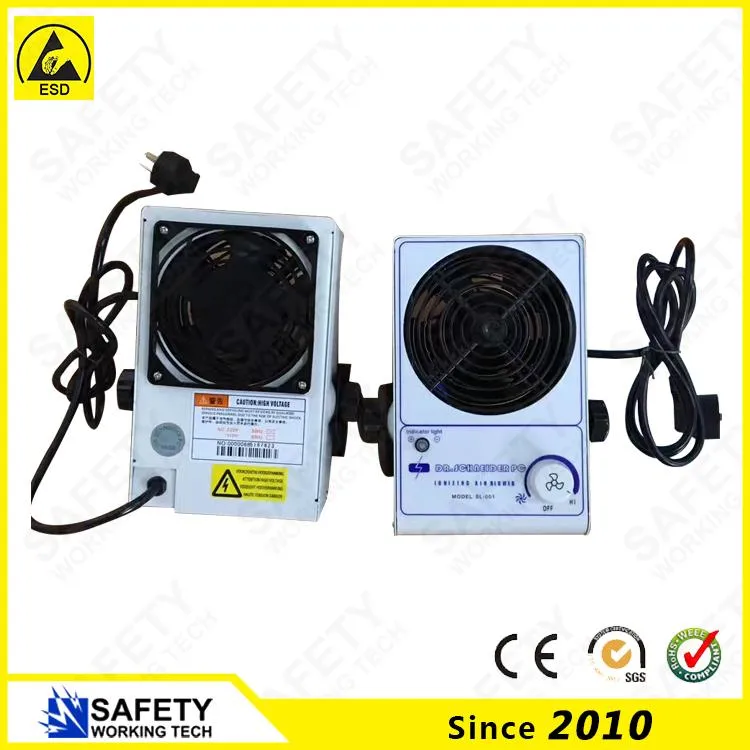
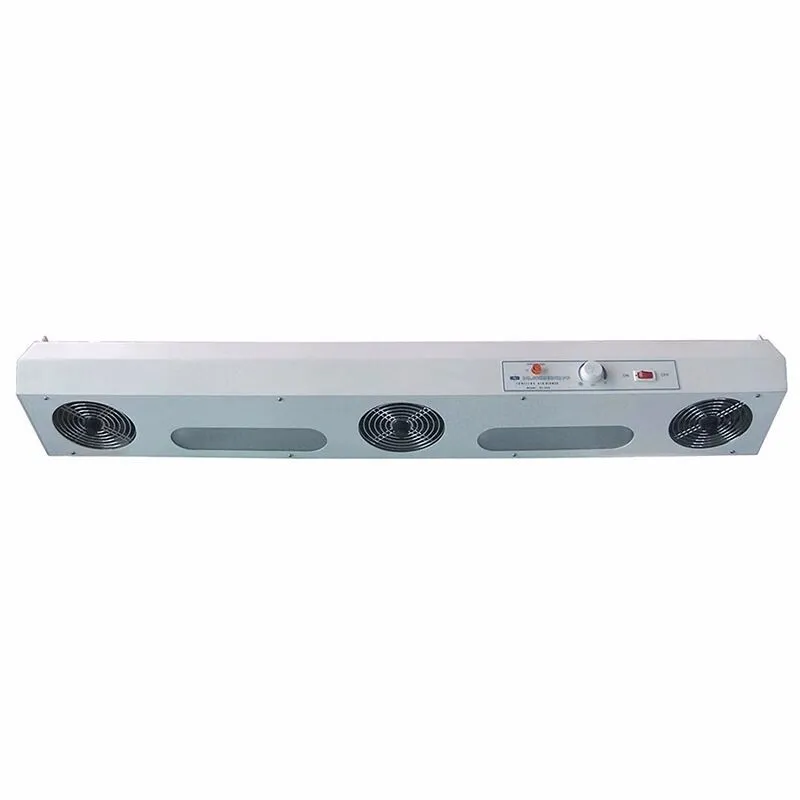
The ion fan can be divided into AC and DC according to the high voltage used by the discharge electrode (discharge needle). AC is divided into high frequency and ordinary AC, and DC is divided into continuous DC and DC pulse. . The difference between AC and DC ion fans is particularly important to note the difference in ion balance. AC type eliminators generate both positive and negative ions on the same discharge needle, so even if the discharge needle is worn for a long time, the ion balance will not be changed. There are big changes, and the ion balance performance is better.
DC type static eliminators because the discharge needle is composed of separate positive and negative electrodes, the ion balance is poor when used at close range. In addition, the discharge needle is affected by the environment and the needle pollution degree will affect the ion balance, especially the discharge. After long-term use of the needle, the degree of wear of the positive and negative electrode discharge needles is different, and even after cleaning, the ion balance cannot be corrected. The difference between AC and DC ion blowers is that a discharge pin of an AC eliminator can alternately generate positive and negative air ions. The ionizing electrode is composed of a discharge pin and a ground electrode. The discharge electrode of a DC eliminator is not A ground electrode is required. The discharge electrode consists of positive and negative independent discharge pins.
In the absence of external air supply (such as fans, compressed gas, etc.), the DC type static eliminator is farther away than the AC type static eliminator. In the case of external wind, the static elimination distance mainly depends on the static eliminator. Structure, air volume, and strength of the high-voltage power supply. The discharge needle will be contaminated after long-term use, which directly affects the static elimination performance and ion balance. Therefore, the static elimination electrode section should be cleaned regularly during use, especially the DC type static eliminator discharge needle is more susceptible to pollution than the AC type Appliance cleaning should be more frequent, and the positive and negative discharge needles wear different degrees. Periodic ion level testing is required, and the discharge needle should be replaced in time when the discharge needle is severely worn.