


Differences Between Dust-Free Paper and Dust-Free Cloth
Dust-free paper-also known as air-laid nonwoven fabric-is a type of dry-laid nonwoven material. It possesses unique physical properties, including high elasticity, softness, an excellent tactile feel and drape, as well as superior water absorption and retention capabilities. It is widely used in fields such as cleaning and maintenance products, specialized medical supplies, and industrial wiping materials.
Dust-free cloth is made from 100% double-knit polyester fiber. It features a soft surface suitable for wiping sensitive areas without shedding fibers during use, and it offers excellent water absorption and cleaning efficiency. Both the cleaning and packaging of the product are carried out in ultra-clean workshops. Common edge-sealing options include cold cutting, laser sealing, and ultrasonic sealing; microfiber dust-free cloths typically utilize laser or ultrasonic sealing for a perfect finish.
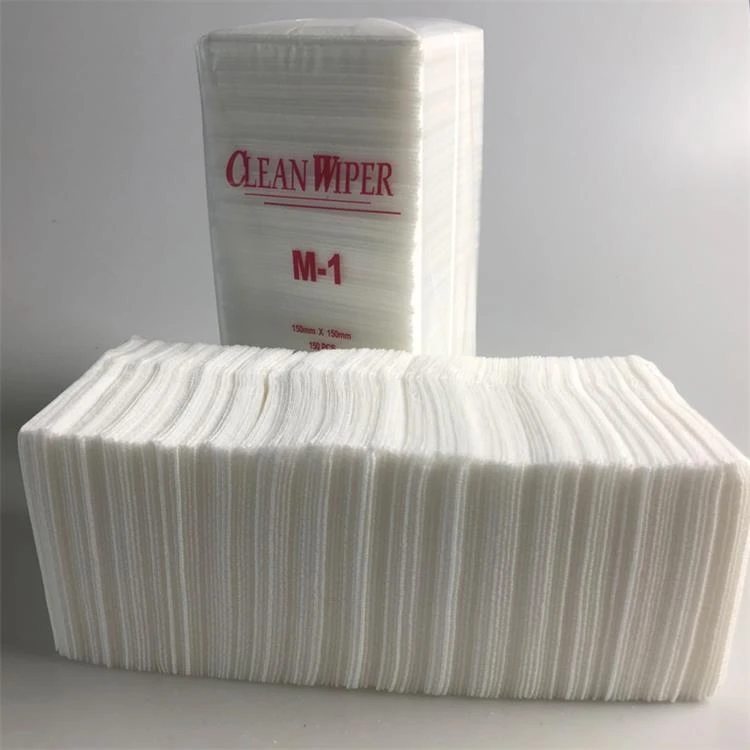
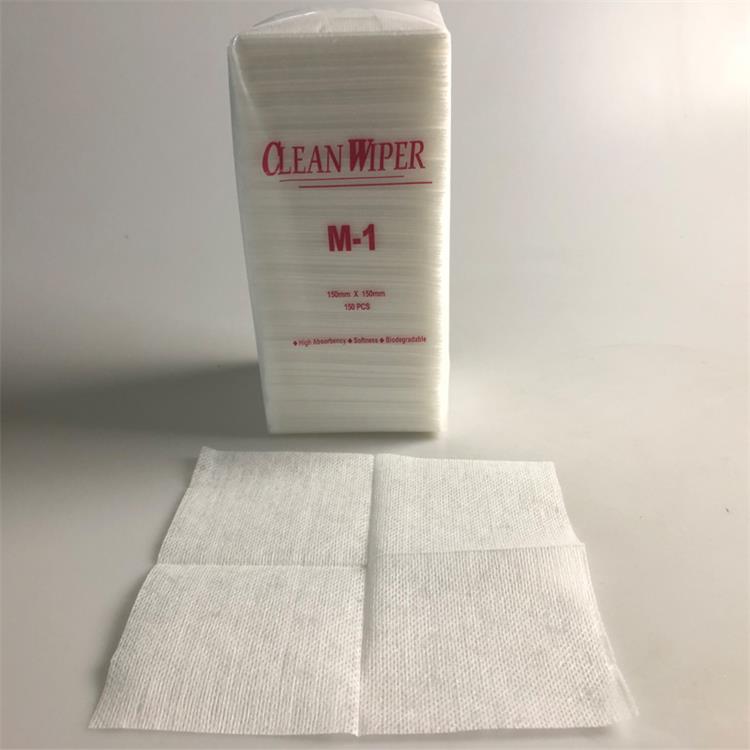
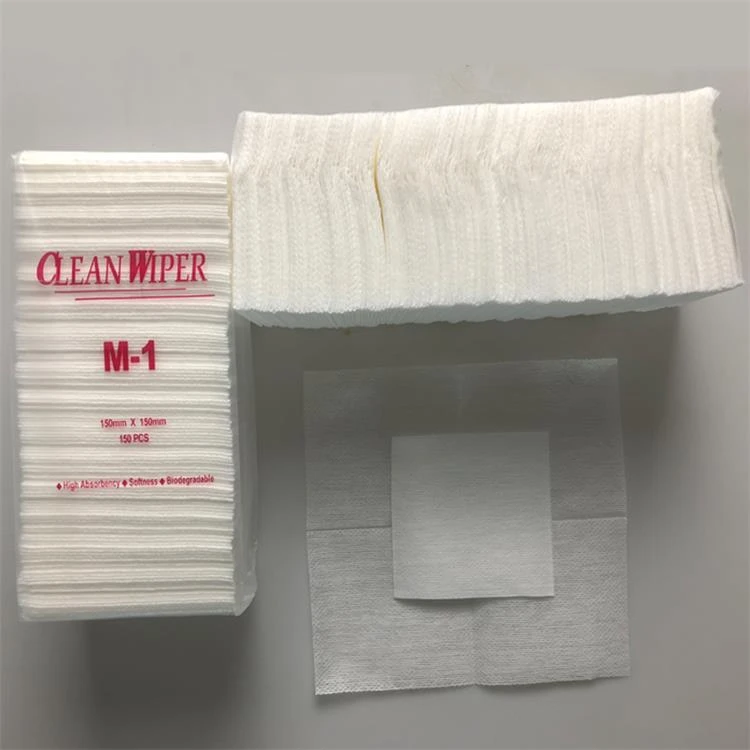
Dust-free paper possesses unique physical properties, including high elasticity, softness, an excellent tactile feel and drape, as well as superior water absorption and retention capabilities. It is widely used in fields such as cleaning and maintenance products, specialized medical supplies, and industrial wiping materials. Its English name reveals two key characteristics: the raw material is wood pulp fiber, and the manufacturing process employs air-laid technology. The production of nonwoven fabrics primarily involves two stages: web formation and bonding.
Dust-free cloth is made from 100% double-knit polyester fiber. It features a soft surface suitable for wiping sensitive areas without shedding fibers during use, and it offers excellent water absorption and cleaning efficiency. Both the cleaning and packaging of the product are carried out in ultra-clean workshops. Common edge-sealing options include cold cutting, laser sealing, and ultrasonic sealing. Microfiber cleanroom wipes typically feature laser or ultrasonic edge sealing. Made from 100% continuous-filament polyester double-knit fabric, they offer a soft surface suitable for wiping sensitive components; they generate minimal particles, do not shed fibers during use, and provide excellent absorbency and cleaning efficiency, making them ideal for cleanroom environments. The edges are sealed using advanced cutting equipment, ensuring no particles or lint are left behind after wiping and delivering superior cleaning performance.