


Anti-static grounding protection for electronics factories
Electronic factories have very high requirements for anti-static. Today I would like to share with you the anti-static grounding protection of electronic factories. There are imperfections and shortcomings, and everyone is welcome to criticize and correct them.
Static electricity is mainly generated by friction between different substances. In the production process of electronic factories, the harm caused by static electricity is multifaceted. First of all, many equipment and instruments in this project are sensitive to electrostatic voltage, and static electricity will affect their normal operation and even cause errors; secondly, the high voltage generated by static electricity can cause personal electric shock; in addition, when static electricity is severe, it may cause spark discharge, and in serious cases, it may cause fire accidents.

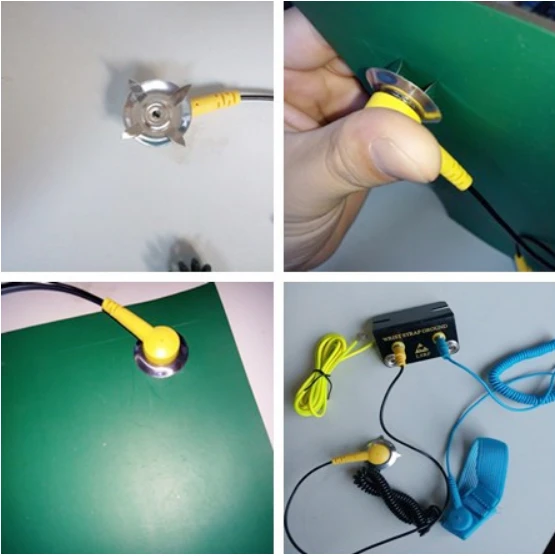
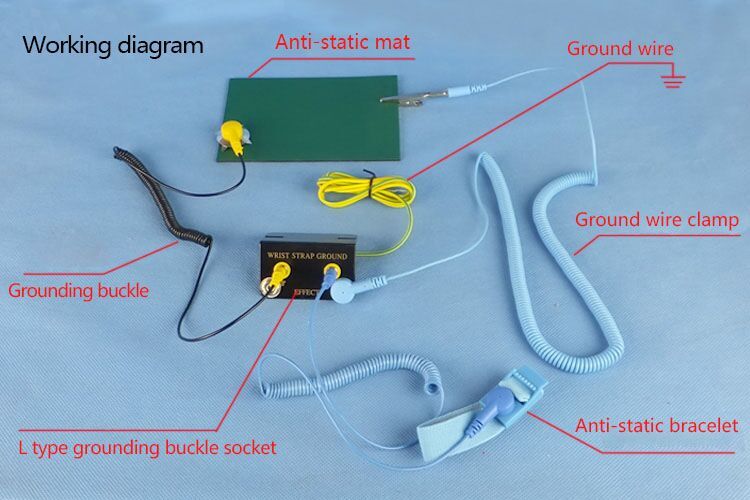
In order to eliminate the hazards caused by static electricity, measures must be taken. There are many ways to eliminate static electricity, but the simplest and most effective way is to take grounding measures. So in electronics production plants, all equipment that generates static electricity should be reliably grounded. In order to prevent static charges accumulated on equipment and people from reaching dangerous potentials, anti-static floors are used in the main production plants. The protective materials of this type of floor are distributed with a network of copper wires. These metal networks form electrical paths to each other and are used for static electricity conduction on the anti-static floor. As part of the electrical design, appropriate grounding terminals should be reserved on the building columns in the space where the anti-static floor is located. After the floor is laid, connect the metal wires in the anti-static floor to the ground terminal. In addition, the grounding terminal must be connected to the grounding electrode through the main reinforcement in the column, so that static electricity can flow through the grounding terminal along the main reinforcement in the column to the grounding electrode.