


Differences between PE and PP Antistatic Bags
PE, chemically known as linear polyethylene, comes in two types: high-density linear polyethylene and low-density linear polyethylene. PP, chemically known as polypropylene, uses three raw materials: LDPE, LLDPE, and PP.
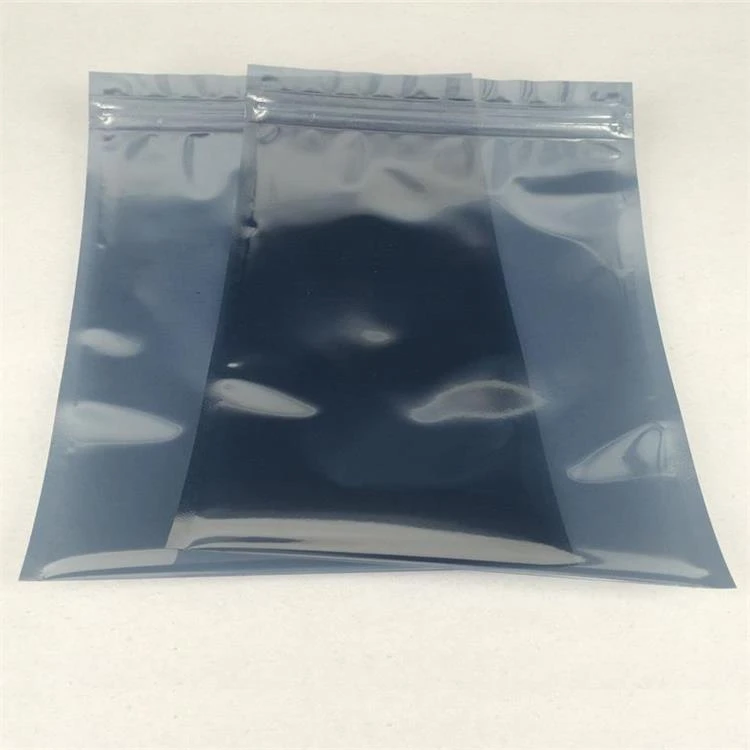

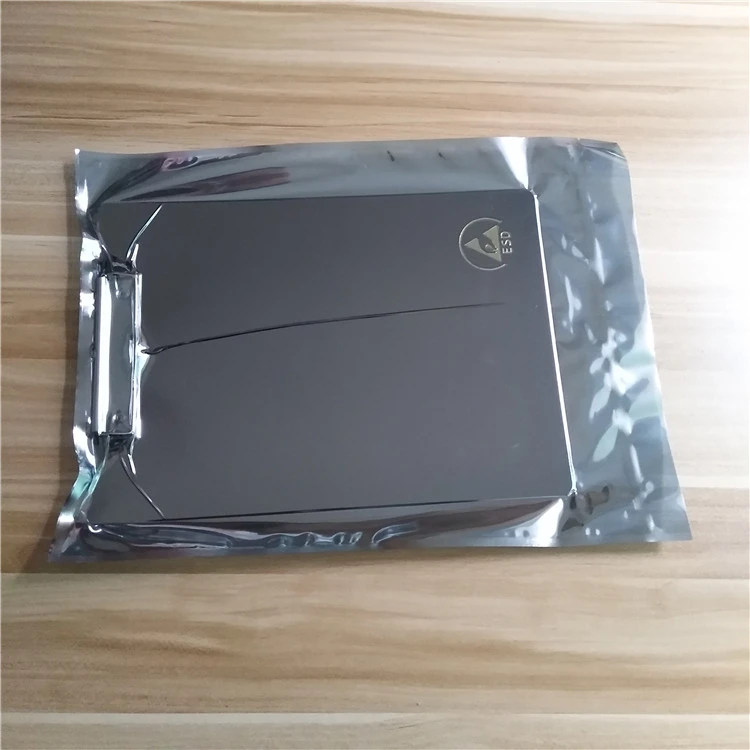
Below are the applications and surface resistivity parameters of antistatic packaging bags made from these two materials:
1. Antistatic PE Bags: Made from LDPE and LLDPE with added antistatic agents through blow molding. They are soft to the touch, elastic, and have a surface resistivity of 10⁹Ω-10¹¹Ω, suitable for packaging general electronic products.
2. Antistatic Mesh Bags: These are transparent antistatic PE bags with a black mesh-like conductive ink printed on the surface. They have excellent static discharge and conductivity, with a surface resistivity of 10⁴Ω-10⁶Ω, mainly used for packaging electronic components, PCB boards, and communication products. 3. Antistatic Conductive Bags: Made from LDPE with added conductive carbon black and anti-fouling agents through blow molding, these bags possess excellent conductivity and light-blocking properties, with a surface resistivity of 10⁴Ω-10⁶Ω. They are primarily used for packaging in military, aerospace, network communication, and photosensitive equipment industries.
4. Antistatic Bubble Bags: Made from LDPE and LLDPE with added antistatic agents through bubble film blowing, these bags utilize sealed air bladders for shock absorption and cushioning. This effectively prevents damage to items inside due to static electricity buildup and protects items from breakage during production and transportation due to collisions and friction. With a surface resistivity of 10⁹Ω-10¹¹Ω, they are widely used for packaging electronics, instruments, household appliances, and confidential equipment.