


SMT Operator Safety and Anti-static Knowledge
The degree of danger of the above factors is described below:
* **Voltage Passing Through the Human Body:** Higher voltages are extremely harmful to the human body, causing burns at best and death at worst. Lower voltages are more tolerable and can prevent injury or death. Generally, except for safe voltages below 36 volts, any voltage higher than this is dangerous upon contact.
* **Current Passing Through the Human Body:** This depends on the voltage level and the body's resistance. The higher the voltage, the greater the current passing through the body; even a voltage exceeding 0.1 amps can cause electric shock death.
* **Duration of Current Application:** The duration of current application through the human body is closely related to the degree of harm. The shorter the time the body is exposed to electricity, the greater the chance of rescue. The longer the current passes through the body, the greater the damage to bodily functions. The greater the damage to bodily functions, the lower the chance of rescue.
The path of electric current through the human body: The most dangerous path is from hand to foot, passing through vital organs (heart); the less dangerous path is from foot to foot. Thus, the path of current through the body determines the amount of current passing through the heart.
The resistance of the human body: Electric shock is related to the body's resistance. The human body's resistance is generally between 10,000 and 100,000 ohms, with the highest resistance in the stratum corneum of the skin. When the stratum corneum is removed, the body's resistance drops to 800-1000 ohms. Sweating, dampness, and dust (metallic dust, carbonaceous dust) also significantly reduce skin resistance. (④, ⑥ omitted)
⑶ How to prevent electric shock accidents at work
① If you discover damaged switches, wires, or other electrical safety hazards, report them to the relevant personnel immediately.
② People who do not understand electrical technology or have only a superficial understanding should not assemble or disassemble electrical equipment haphazardly. ③ Do not operate electrical equipment (e.g., press switches or buttons) with wet hands or feet.
④ When cleaning, do not wipe wires or switches with a wet cloth. Always disconnect the power before cleaning. Never wash wires or electrical appliances with water.
⑷ What should you do if someone is electrocuted?
① Never try to rescue someone with bare hands.
② Immediately disconnect the power (pull the switch).
③ Report to your supervisor immediately.
2. Mechanical Knowledge
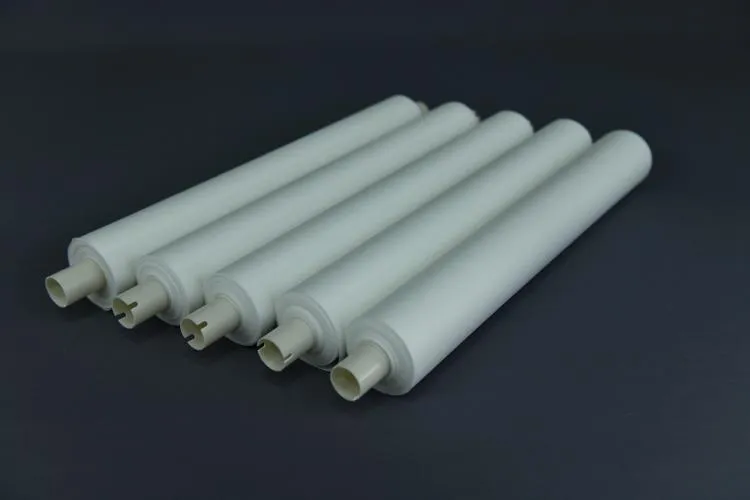

A chip mounter is a high-speed machine composed of multiple mechanical parts, including power sources (motors), power transmission mechanisms (belts, chains), actuation mechanisms (high-speed rotating mount head, worktable), a frame, and gripper movement. It also has sharp cutting blades. Slight carelessness during operation of these rotating and moving machines can easily cause injury. Therefore, the following points should be noted when operating the machine:
① In case of an accident during equipment operation or adjustment, immediately press the emergency stop button or pull down the power switch to stop the equipment immediately.
② Replacement of certain parts should be performed with the machine stopped, and the emergency stop button should be locked (to prevent accidental operation by others).
③ Under normal circumstances, equipment maintenance should be performed with the equipment stopped. In special circumstances where stopping the machine is not possible, at least one person should be present to supervise.
④ Use the equipment according to the operating procedures.
⑤ Avoid direct skin contact with flux during operation; use gloves and other tools.
⑥ When opening the reflow oven, take precautions to prevent burns and wear gloves.
⑦ Minimize opening equipment doors and windows to allow dust to be effectively removed by the ventilation system, maintaining fresh air and a clean environment.
3. Fire Safety Knowledge
Because stencil cleaning fluid and some packaging materials, as well as factory warehouses, contain many flammable materials. Therefore, all employees entering the factory area must be fire-conscious. Fire prevention must prioritize safety. The following are basic fire safety guidelines:
⑴ After using flammable materials, the bottle cap must be tightly closed and stored in a cool, dark place. Avoid exposure to direct sunlight and high temperatures/dry environments.
⑵ The use of open flames is strictly prohibited inside the factory area or in forests. If an open flame must be used, ensure it is completely extinguished before leaving.
⑶ When using electricity, ensure the power cord is in good working order and strictly prohibit the use of multiple power outlets. Avoid overloading electrical wires to prevent fires.
⑷ Employees must learn how to use fire extinguishers.