The Hazards of ESD on Electronic Components
Electrostatic discharge (ESD) is an invisible destructive force that affects electronic components. While ESD doesn't always cause complete component failure, it can create potential defects undetectable by standard testing. These "fragile" components are more likely to fail in the field during system operation, especially under harsh environmental conditions. Taking simple preventative measures during manufacturing, storage, transportation, packaging, assembly, and testing, along with proper circuit design, can reduce the damage caused by ESD.
For semiconductor devices, if a strong electric field is applied to the oxide film within the device structure, the oxide film can be damaged by dielectric breakdown. Fine metallized traces can be damaged by large currents and open circuits can form due to overheating caused by surge currents. PN junction failure can be caused by the "current congestion" effect, which occurs when a large current density is created when a large current passes through the PN junction. Potential defects caused by ESD can make devices more susceptible to future damage and may result in intermittent failures.
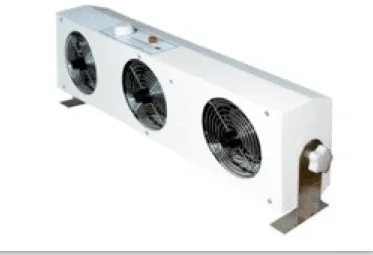
Our company specializes in producing static electricity elimination equipment: ion fans (ion bars) are installed on operating tables and assembly lines to eliminate surface charges through neutralization.