


The impact of the cutting method of the clean cloth on the place of use
Dust-free cloth is a wiping cloth used in dust-free workshops, clean areas and other places. Dust-free cloth has the advantages of strong water absorption, soft texture, and low dust emission. Clean cloth is divided into grades, good and bad, and the basis for judging the grade and goodness of clean cloth is mainly the amount of dust attached and the amount of dust. The amount of dust is related to the performance of the clean cloth, but the amount of dust is It is closely related to the cutting method of clean cloth.
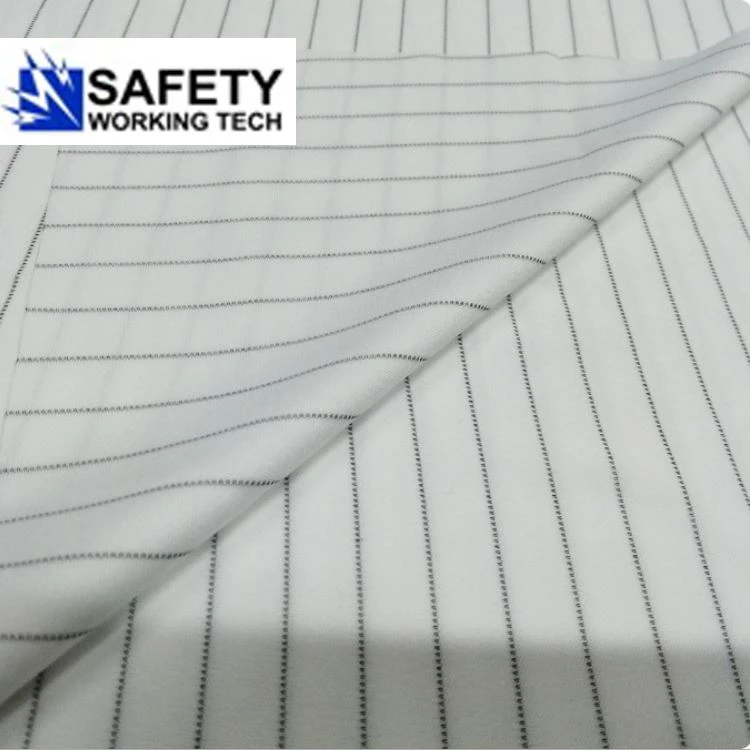


When the dust-free cloth has the same amount of dust, that is, the same dust-free cloth, the amount of dust generated by different edge banding methods is different. The edge banding methods of dust-free cloth mainly include cold cutting and hot cutting. , Laser cutting, ultrasonic cutting, etc.
The edge banding degree of laser-cut dust-free cloth reaches 99%, does not drop chips, no dust, and the amount of dust is very low. It is suitable for use in high-level dust-free workshops such as 1000 and 100, but the technology of laser cutting dust-free cloth The requirements and costs are relatively high;
The edge banding degree of ultrasonic cutting is below 80%, and it does not drop chips before cleaning. After cleaning, the edge banding is easy to tear and drop chips. It is suitable for use in 10,000-level and 1,000-level workshops, but it may need to do something else when used in 1,000-level workshops. Processing
The edge banding degree of thermal cutting is less than 75%, which is similar to the characteristics of ultrasonic cutting. It is also easy to tear off chips after cleaning. It is suitable for use in 10,000 and 100,000 workshops;
There is also cold cutting. Cold cutting is not edge-sealed, and it is easy to drop chips, but the technology and cost are relatively low. The use level of this kind of dust-free cloth is lower, and it can be used in workshops of millions and tens of millions and used in daily life. Also more cost-effective.