


What is a halogen-free antistatic desk mat?
A halogen-free antistatic desk mat is an environmentally friendly antistatic work surface material. It dissipates static electricity by introducing nano-level conductive fillers and is free of halogen compounds such as chlorine and bromine. It is mainly used in electronic manufacturing production lines, cleanrooms, and other similar environments to effectively prevent static electricity buildup and protect sensitive electronic components from electrostatic discharge (ESD).
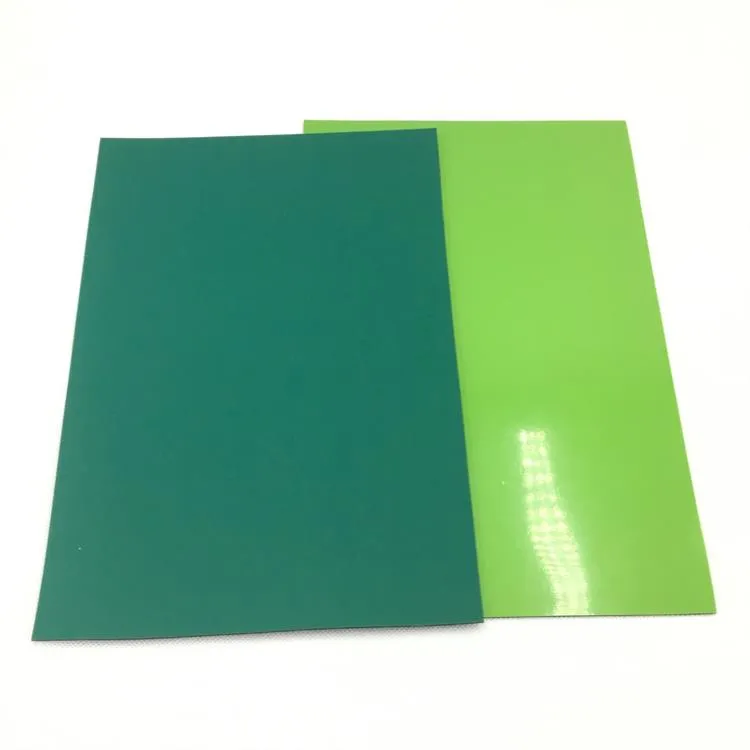
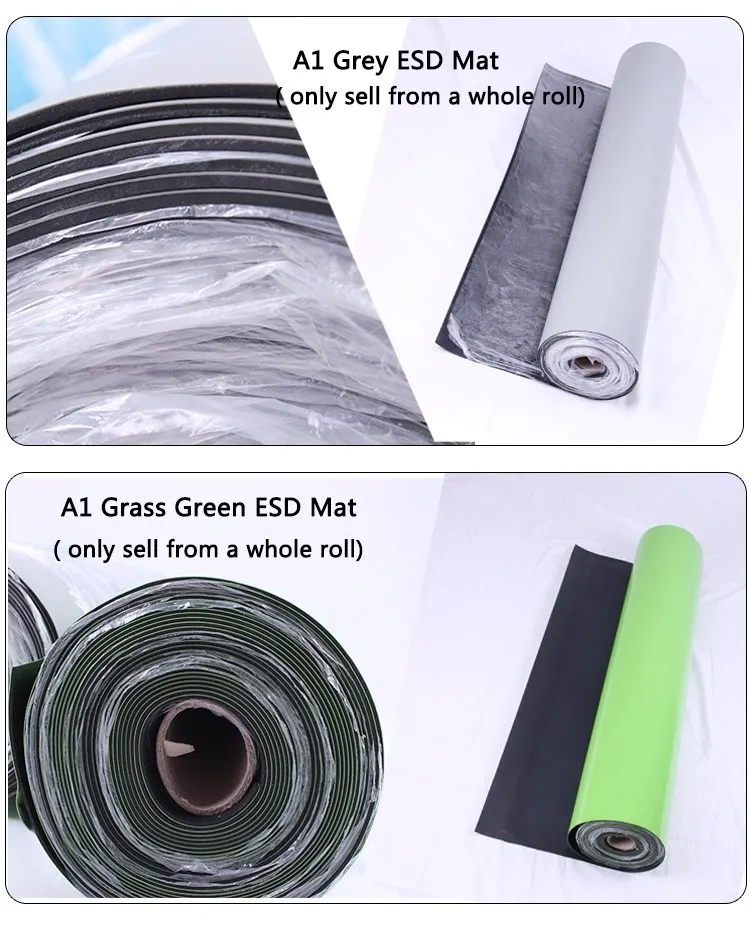

Its core features and details are as follows:
1. Working Principle and Structure
It typically employs a double-layer composite structure:
* Top Layer (Dissipative Layer): Used to store and absorb static electricity around the desktop.
* Bottom Layer (Conductive Layer): Used to quickly discharge absorbed static electricity to the ground.
* Discharge Path: The mat must be used in conjunction with an antistatic grounding wire. One end is connected to the mat, and the other end is connected to the factory's antistatic ground to safely discharge static electricity.
2. Why is "halogen-free" emphasized?
Traditional desk mats: often use flame retardants containing halogens (such as chlorine/bromine) or PVC materials. Combustion or high-temperature heating releases large amounts of pungent hydrogen halide gases and may even produce highly toxic dioxins, harmful to human health and polluting the environment.
Halogen-free table mats: Made with high-molecular polymers and environmentally friendly nano-conductive fillers, they ensure conductivity while producing no toxic gases or fumes during combustion, meeting the high environmental and safety standards of modern electronics manufacturing (compliant with RoHS/REACH and other environmental directives).
3. Main Application Scenarios
Electronics assembly lines: Prevents damage to chips caused by momentary discharges when operators come into contact with electronic components.
Semiconductor and cleanroom applications: Prevents static electricity from attracting dust and affecting precision instruments.
Flammable and explosive areas: Prevents fires or explosions caused by static sparks.