


Clean room cleaning solution
Clean rooms can be regarded as ESD work workshops with high cost and high technical content. In addition to some professional cleaning equipment and anti-static equipment, there is also a series of clean room cleaning processes.
General cleaning of the clean room must be carried out after the production process operation is completed. If it is necessary to clean before production, the process production must be started after the start-up time of the purification air-conditioning system reaches the self-cleaning requirements. In order to prevent cross-contamination, the tools for cleaning clean factory facilities should be dedicated according to product characteristics, process requirements, and cleanliness levels of the dust-free air purification workshop.
Clean room cleaning tools generally use centralized fixed or portable anti-static vacuum cleaning equipment to ensure that particulate pollution can be removed during regular cleaning; it can also effectively and timely remove certain particles that are not suitable for work outside the clean room. coming pollution. When a centralized fixed vacuum cleaning system is set up, its exhaust fan should be installed outside the clean room; the connection sockets in the clean room should be tightly sealed when not in use to avoid endangering the pressure difference or air flow pattern in the clean room. When setting up portable vacuum cleaning equipment, it should be equipped with an exhaust filter whose filtration efficiency should be at least the same as the level of the clean environment; attention should also be paid to the impact on the air flow in the clean room during use.
If the clean room does not have the above cleaning conditions, it can also be wiped with fiber-free materials such as mercerized towels, nylon cloth, etc., usually once or several times a day. For high-level clean rooms, filtered water should be used for wiping; in places with special requirements, organic solvents that meet the requirements can also be used for wiping. When the production process of clean room products requires that wiping cannot be carried out, vacuum cleaning equipment should be used for cleaning.
Generally, mobile vacuum cleaners should be used for small-area clean rooms, while centralized or vacuum cleaning systems should be used for large-area or high-level clean rooms. The setup requirements for an anti-static vacuum system are as follows:
1. The dust suction device should be arranged close to the center of the load, and sound and vibration isolation measures should be taken into consideration.
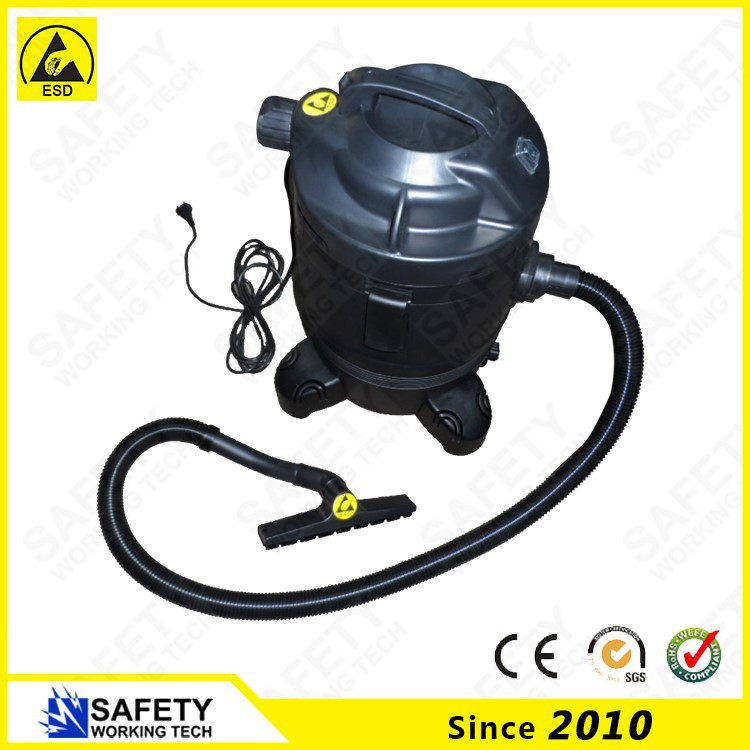

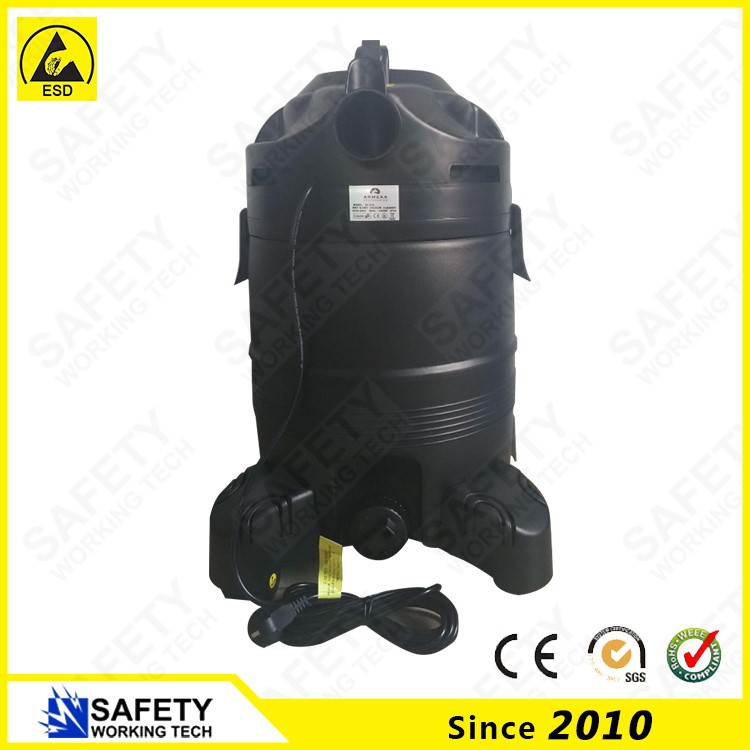
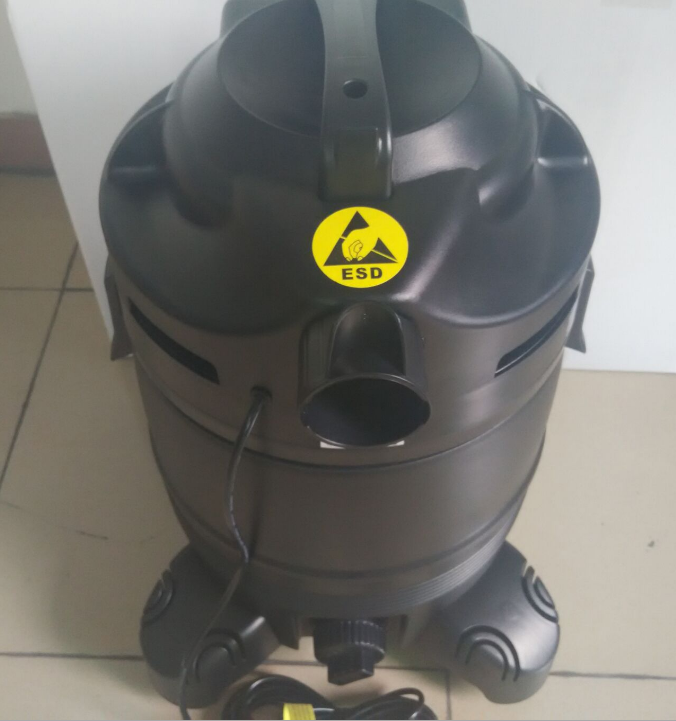
2. The position and number of vacuum nozzles in the clean room should be determined according to the radius of action of the hose (generally 6-12m), so that every part of the clean room can be cleaned.
3. The dust collector should be installed at the suction end of the vacuum pump. The dust collector can be a bag dust collector, etc.
4. The pipe materials of the vacuum system should be made of materials that are wear-resistant, air-tight and have a certain strength, such as seamless steel pipes or hard plastic pipes. The radius of curvature of the pipe elbow is 4 to 6 times the diameter of the pipe, and the tee angle is generally 30°, with a maximum of no more than 45°. Horizontal pipes must have a certain slope, facing the riser or dust collector.
Clean rooms of different levels and uses will have different cleaning times and cleaning methods. In order to prevent the deposition of particles in the clean room, cleaning must be done before or after work in the clean room.