


How to do anti-static gas station
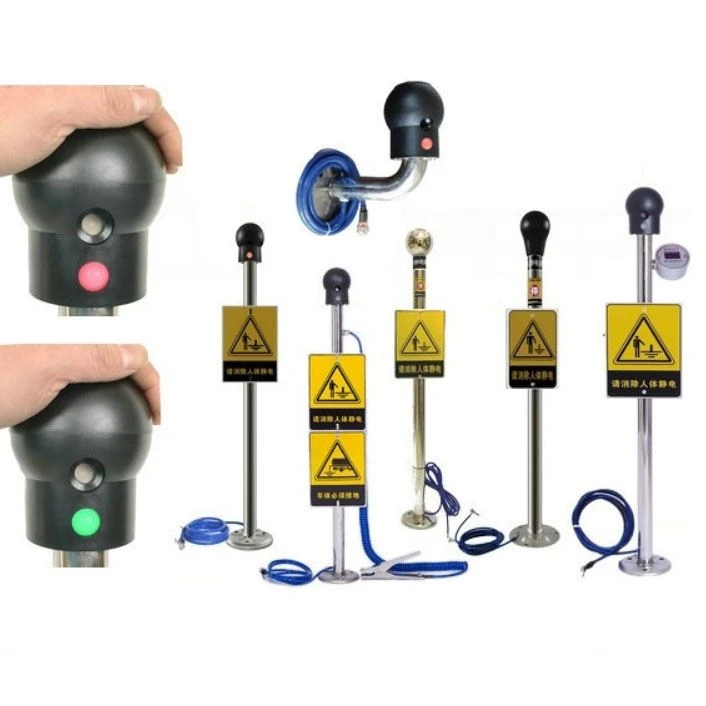

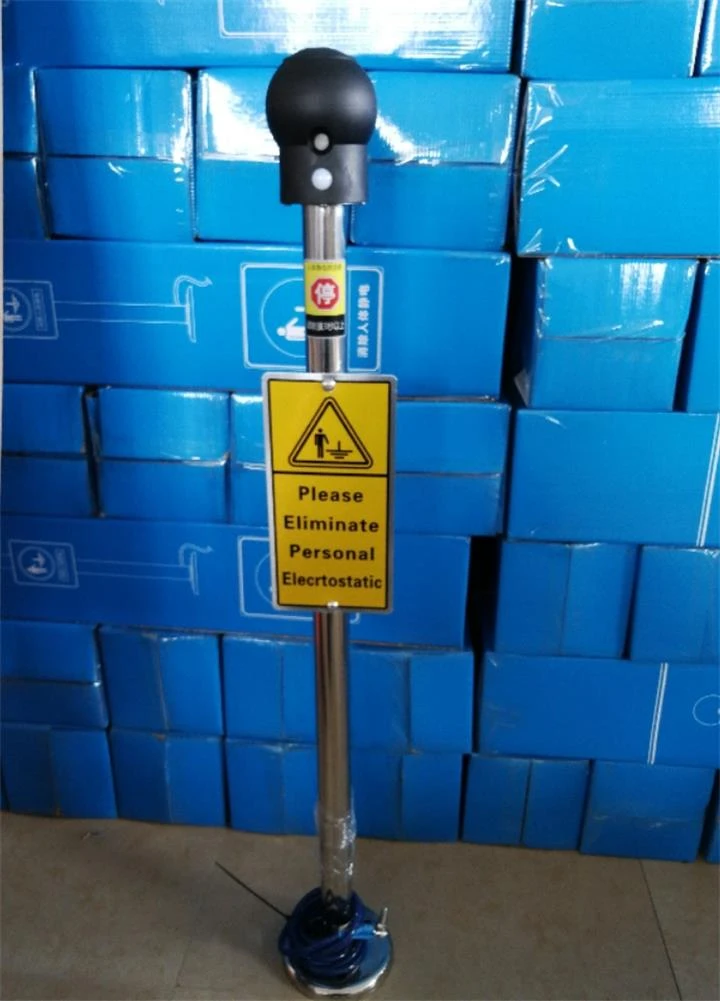
The main factors of static electricity generated at gas stations are: static electricity generated by automobile tank trucks during oil transportation; static electricity generated by oil storage tanks during unloading and unloading; static electricity generated by oil flowing in oil pipelines; oil flowing through filters, pumps and metering Static electricity is generated when the device is installed; the human body of the operator generates static electricity. Pay attention to the following points in the daily work of gas stations:
1, connect the electrostatic grounding wire before unloading the oil
The oil pipeline and storage tank are equipped with electrostatic grounding devices. The electrostatic grounding wire must be connected before unloading the oil. Normally, it should be stuck in the bare metal part of the car body and the oil tank. Ground the oil before unloading, otherwise it will be regarded as a violation of regulations. operation.
2, detect the grounding resistance value
Gas station lightning protection and anti-static grounding devices are tested for effectiveness at least once a year before the thunderstorm season. The grounding resistance of oil tanks, station rooms and canopies must not exceed 10 ohms; all dispensers and oil guns must ensure good equipotential connection, and the grounding resistance must not exceed 4 ohms; distribution boxes must have good lightning protection grounding wires and metal shields Both ends should be well grounded, and the grounding resistance value should not exceed 4 ohms; the resistance value of the oil pipeline should not exceed 30 ohms, and the resistance value of the electrostatic grounding clamp should not exceed 4 ohms when unloading the oil.
3. Frequently check the electrostatic connection between the metal shielding wire on the hose of the fuel gun and the body
The electrostatic connection between the shielded wire on the hose of the tanker and the body may be broken due to frequent movement, which may cause an electrostatic accident. A gas station had a deflagration accident of a car's fuel tank during the refueling process. It was checked that the electrostatic grounding wire on the refueling gun was broken. Therefore, the operator should always check the integrity of the electrostatic grounding wire on the fuel nozzle hose.
4. It is strictly forbidden to directly fill the plastic bucket with gasoline
When filling gasoline directly into an insulated plastic barrel, the static charge of the oil in the barrel will accumulate due to the plastic insulation, and the electrostatic voltage will rise quickly. When the electrostatic voltage rises to the electrostatic discharge voltage, an electrostatic discharge will occur. Steam, a fire accident occurred. The correct operation is to add oil to the iron drum, lift the iron drum to a safe area, and pour the oil into the plastic drum through the funnel. When filling the iron barrel with oil, it is necessary to ensure that the muzzle touches the bottom of the barrel, and cannot be sprayed, and the flow rate must be controlled at no more than 1 m/s.
5. It is strictly forbidden to directly fill gasoline into the motorcycle fuel tank or car carburetor
It is not possible to directly refuel the motorcycle fuel tank because: most motorcycle fuel tanks are made of plastic, which is equivalent to filling a plastic barrel with fuel; and the motorcycle engine is under the fuel tank, and the temperature is relatively high just after the flame is turned off, in case oil drops fall. There is a danger of fire.
Filling gasoline directly into the car carburetor is prone to backfire and ignite the oil outside the engine.
6. Operators must wear anti-static overalls to eliminate static electricity from the human body