


The use of anti-static wrist strap
1. The wristband is worn and no longer has good electrical performance.
2. The extended wristband is in poor contact with the skin.
3. The wrist strap is loose and cannot make good electrical contact with the skin. The operator's skin is dry, and the resistance of the contact exceeds the specification.
4. Improper placement of the wristband, such as on the cuff of the garment.
In addition, another problem that we often see is the studs where wristband users connect the wristband to the ESD protection pad. This process is not recommended because it will increase the total ground resistance of the system to exceed the 35 megohm limit required by ANSI/ESD S20.20 Table 2.

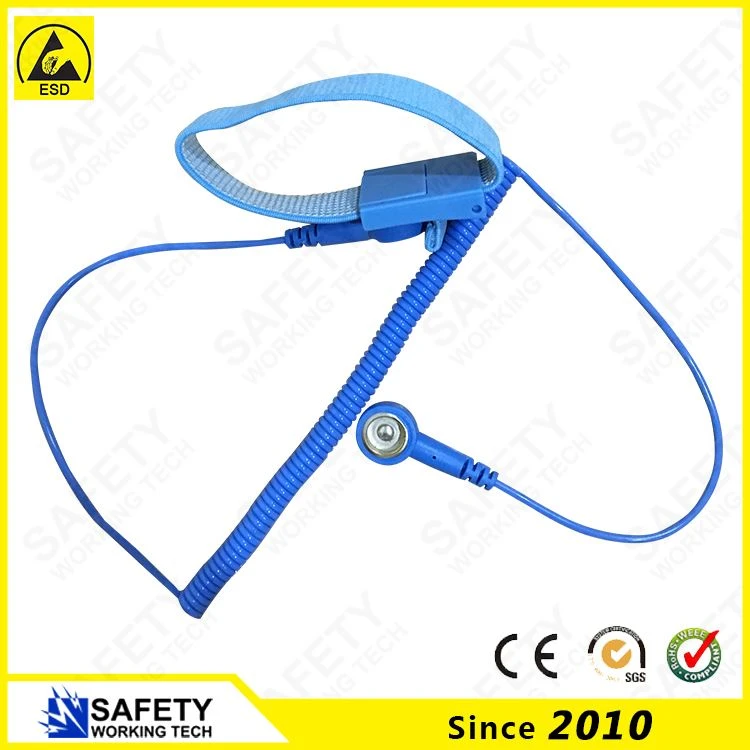


Wristband testing
The electrostatic wrist strap needs to be checked regularly to ensure that the wrist strap is intact and properly grounded. A wrist strap should be worn during testing. This provides the best way to test all three components: the wrist strap, the ground wire (including the resistor), and the interface to the operator's skin. The wristband needs to be checked before each use. If a continuous monitor is used, periodic testing is not required. If wrist straps fail while handling ESD sensitive equipment, they will provide immediate feedback.
If the wristband tester outputs a failed test result, stop working. Test the wrist strap and rope separately to find the damaged item. There are some ways to solve the wristband failure. First, make sure that your tester is properly adjusted and calibrated.
If the operator and wristband system malfunction is low:
Make sure that the person is not directly grounded through another path, that is, touching a grounded metal structure.
The most common cause of low failure is a short circuit of resistance in the wrist strap coil wire. Replace the coiled wire with a new wire and repeat the test.
If the operator and wristband system are seriously faulty:
1. Make sure that the helix is firmly connected, not only connecting the banana jack/socket to the tester, but also connecting the stud buckle to the wrist strap buckle.
2. Ensure the continuity of the coil wire (you can use an ohmmeter to test).
3. Remove the wristband, and firmly hold the bottom of the wristband between the operator's thumb and index finger, and then perform the test. If the test fails, the belt may be soiled and needs cleaning, or the belt buckle connection may be suspected. Replace the strap or clean and retest. If the above test is OK, the skin of the operator's wrist may be too dry. Apply ESD lotion on the wrist to re-moisturize the skin and increase its conductivity. retest.
4. Operators with dry skin should wear a wrist strap with metal straps to minimize contact resistance. If their skin is very dry, they may need to use ESD lotion during wearing. Before starting work, you need to obtain the PASS test results.