


What ESD/anti-static products do food factories need?
1. Anti-static work clothes in food production workshops generally need to meet the following requirements:
1. Dust-free, hair-free and strand-free, without any pollution to the production process and preventing the generation of bacteria.
2. Good breathability and moisture absorption so that employees can feel comfortable even in high temperature and humid environments.
3. Anti-static, anti-static, anti-bacterial and other functionalities.
4. Fabrics that are wear-resistant, wash-resistant, and not easy to fade can withstand multiple washings and disinfections.
2. Static elimination rod
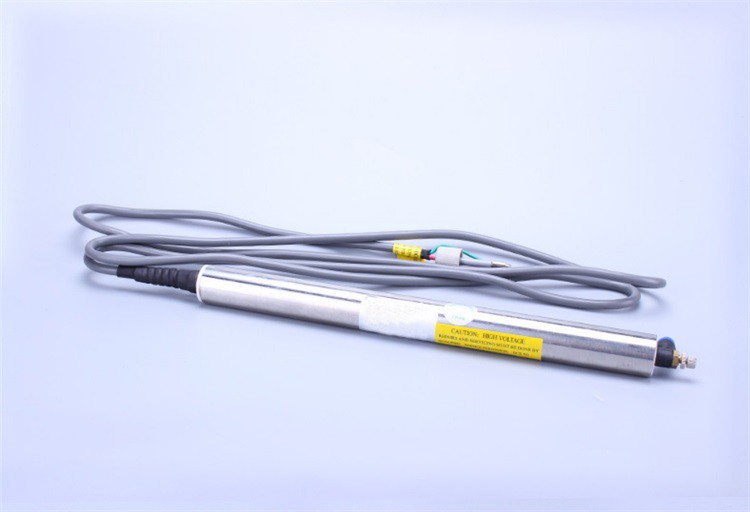
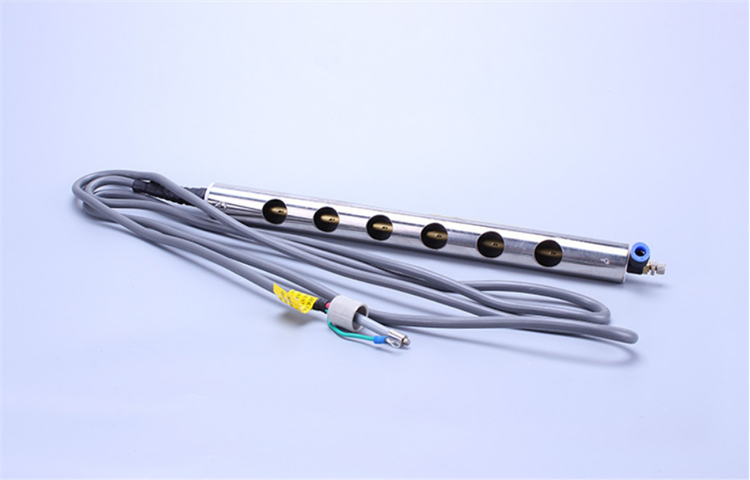
The static elimination rod is a passive anti-static tool that can eliminate electrostatic charges generated on the surface of the object being processed through contact discharge. Static elimination rods are widely used in semiconductor, optics, plastics and other industries. They can effectively reduce damage to equipment and products caused by static charges during the treatment process.
3. ESD gloves
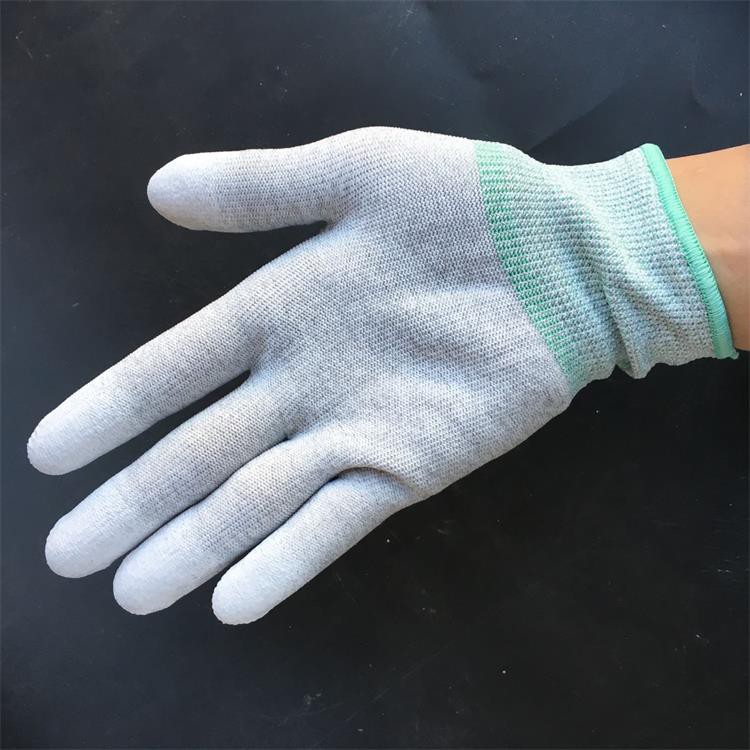
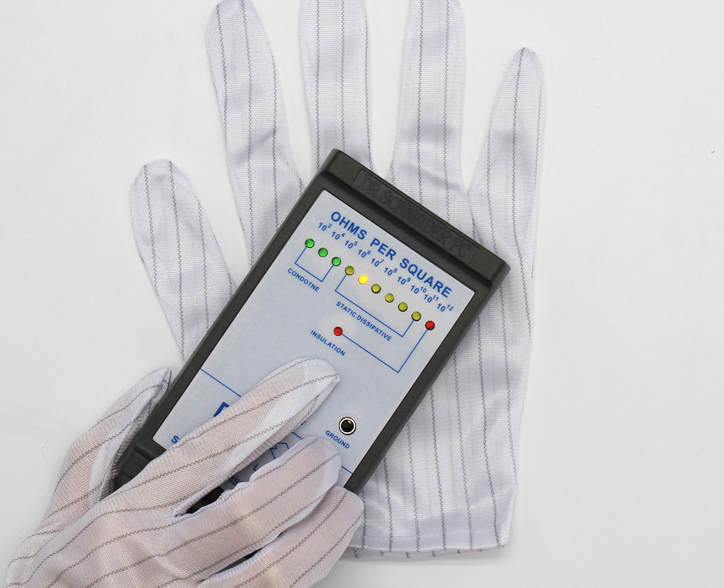

ESD gloves are a passive anti-static tool that can effectively protect hand skin from electrostatic charge stimulation. Electrostatic gloves are widely used in electronics, instruments, instruments and other industries. They can effectively improve work efficiency and ensure product quality during assembly and testing.
4. Anti-static shoes
Anti-static shoes are a passive anti-static tool that can effectively prevent electrostatic charges from reaching the ground through the human body, causing the risk of electric shock. Anti-static shoes are widely used in semiconductor, electronics, chemical and other industries. They can effectively improve work safety and ensure the cleanliness of the production environment during operation.
5. Disposable anti-static clothing
Disposable anti-static clothing is a passive anti-static tool, mainly suitable for working environments with high cleanliness requirements. Disposable anti-static clothing is widely used in electronics, pharmaceuticals, food and other industries. During operation, it can effectively prevent contamination of processing objects by electrostatic charges and ensure product quality and work safety.
In short, anti-static work in the workshop is very important, and choosing appropriate anti-static tools is also crucial. The above five tools are all common anti-static tools in workshops and can be selected according to specific usage scenarios and needs.