


The hazards of electrostatic discharge
Electrostatic discharge (ESD) is the sudden current flow between two charged objects due to contact, short circuit or dielectric breakdown. Turbocharging or electrostatic induction may cause static electricity to accumulate. When objects with different charges are close together or the dielectric between them breaks down, a visible spark is usually generated, which can cause ESD.


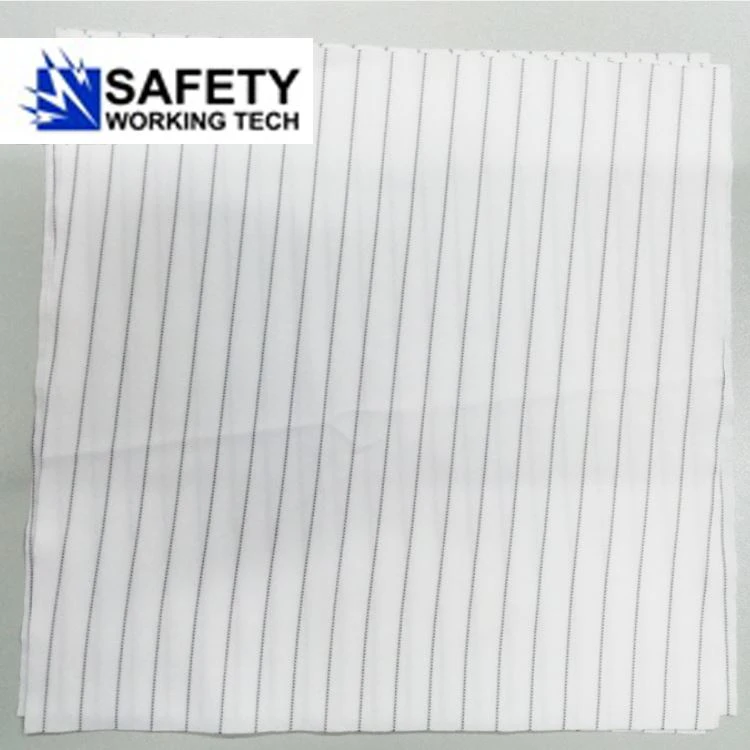
ESD can produce striking electric sparks (lightning and accompanying thunder, which are large-scale ESD events), but it is also not too dramatic, neither can be seen nor heard, but still large enough to damage sensitive electronics equipment. Electric sparks require a field strength greater than about 40 kV/cm in the air, especially during lightning strikes. Other forms of ESD include corona discharge with sharp electrodes and brush discharge with blunt electrodes.
ESD can cause a series of important harmful effects in industry, including gas, fuel vapor and coal dust explosions, and failure of solid electronic components (such as integrated circuits). These suffer permanent damage when subjected to high pressure.
Therefore, electronic manufacturers use measures to prevent charging (such as avoiding highly charged materials) and measures to eliminate static electricity (such as grounding workers who are grounded, providing antistatic equipment and controlling humidity) to establish static-free static protection areas.